
Kiwi Avoidance Training for Dogs
Kiwi Protection & Responsible Dog Ownership
Hello Dog OwnersHow you can Protect Our Thriving Kiwi Populations in Rodney-Kaipara. Here’s how you can help.
Did you know that there are three strong and growing populations of kiwi living across the Rodney-Kaipara region? These iconic taonga are a rare and treasured part of our landscape, and thanks to dedicated conservation efforts, their numbers are holding steady and increasing in key habitats (Tawharanui, Maunga Tamahunga and Mataia) .
But kiwi still face threats, from predators like rats, stoats and dogs to habitat loss and disturbance. As a dog owner, you play a vital role in keeping kiwi safe.
Simple, responsible actions like keeping dogs on leads and signing up for Kiwi Avoidance Training, especially around kiwi strongholds can save lives and make a huge difference for their survival.
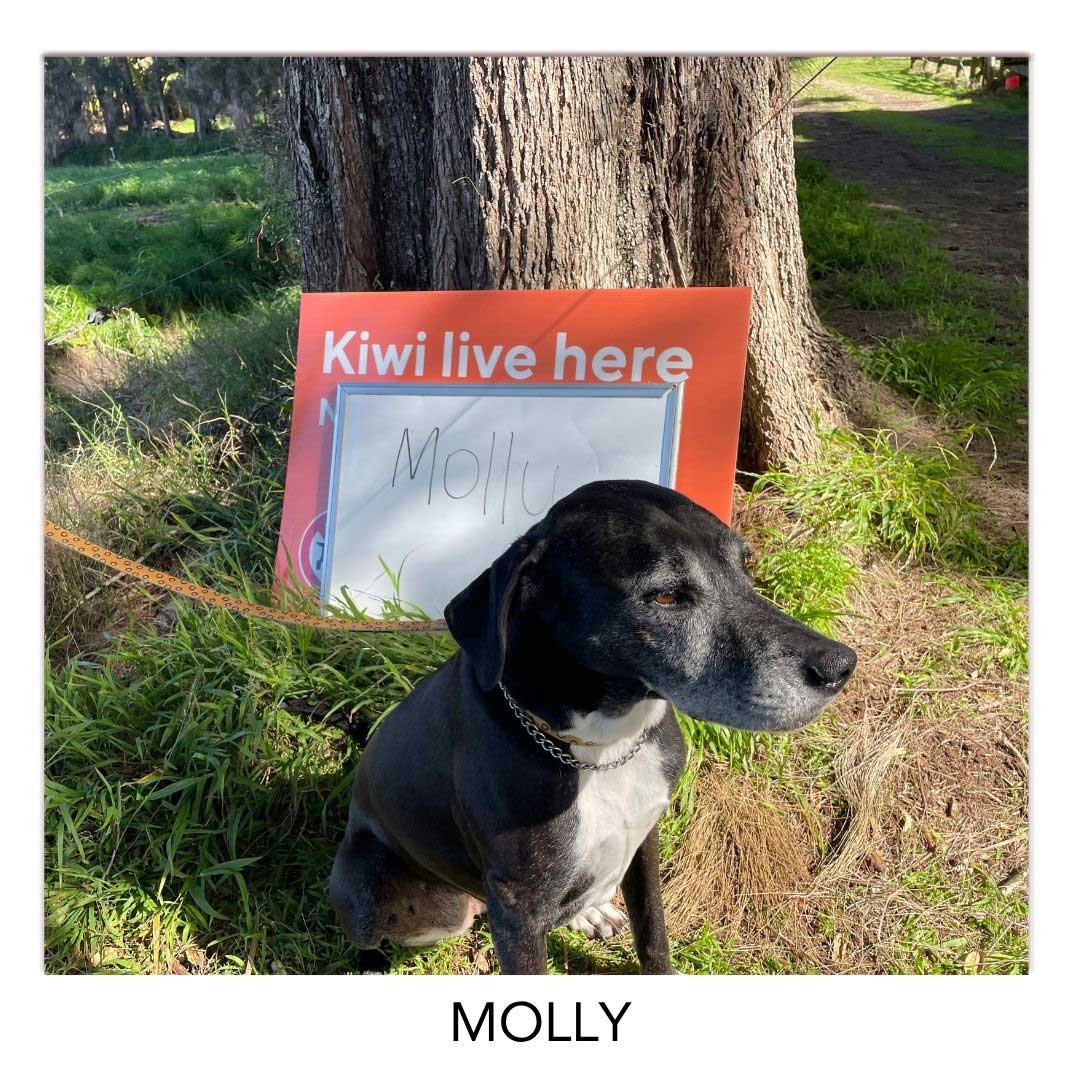
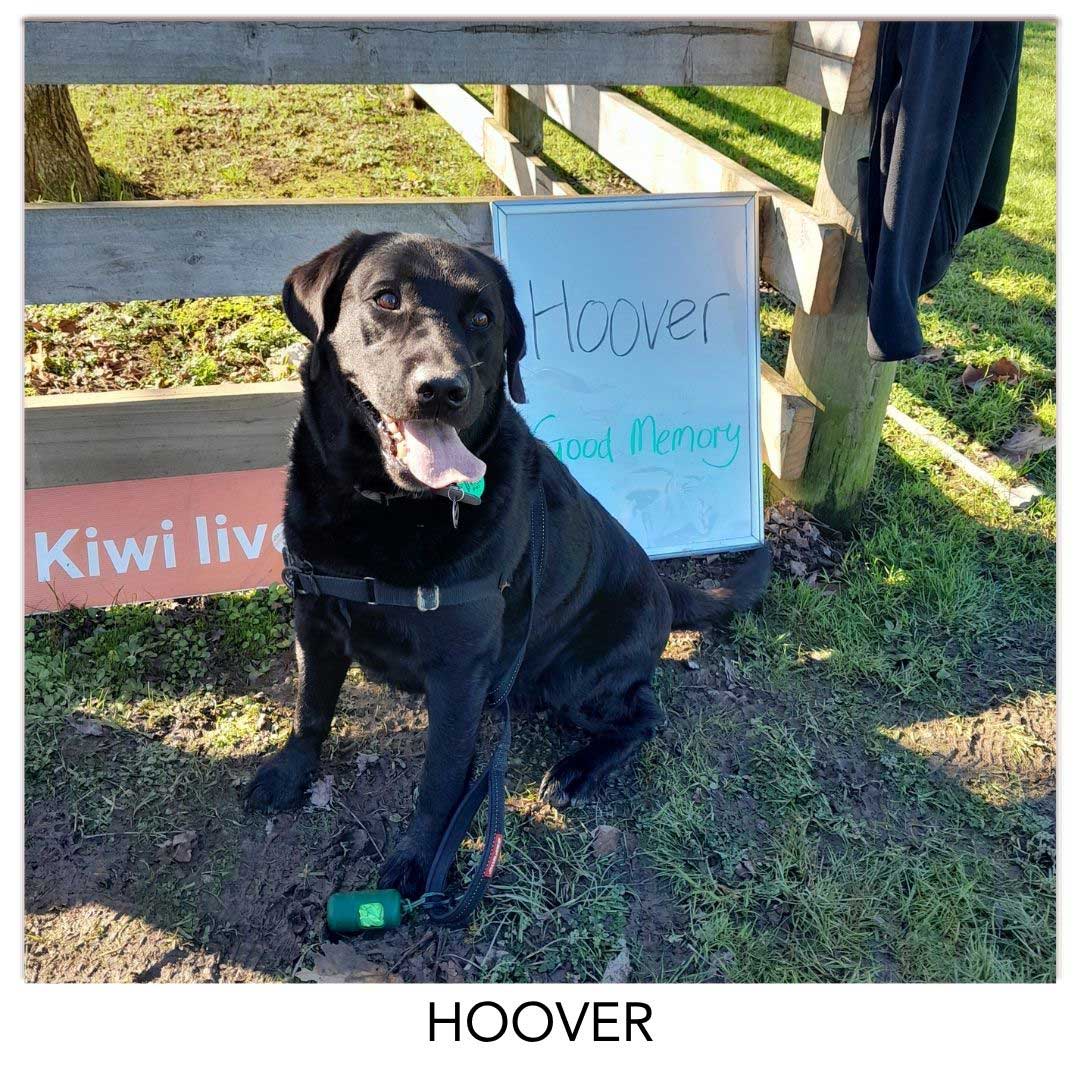
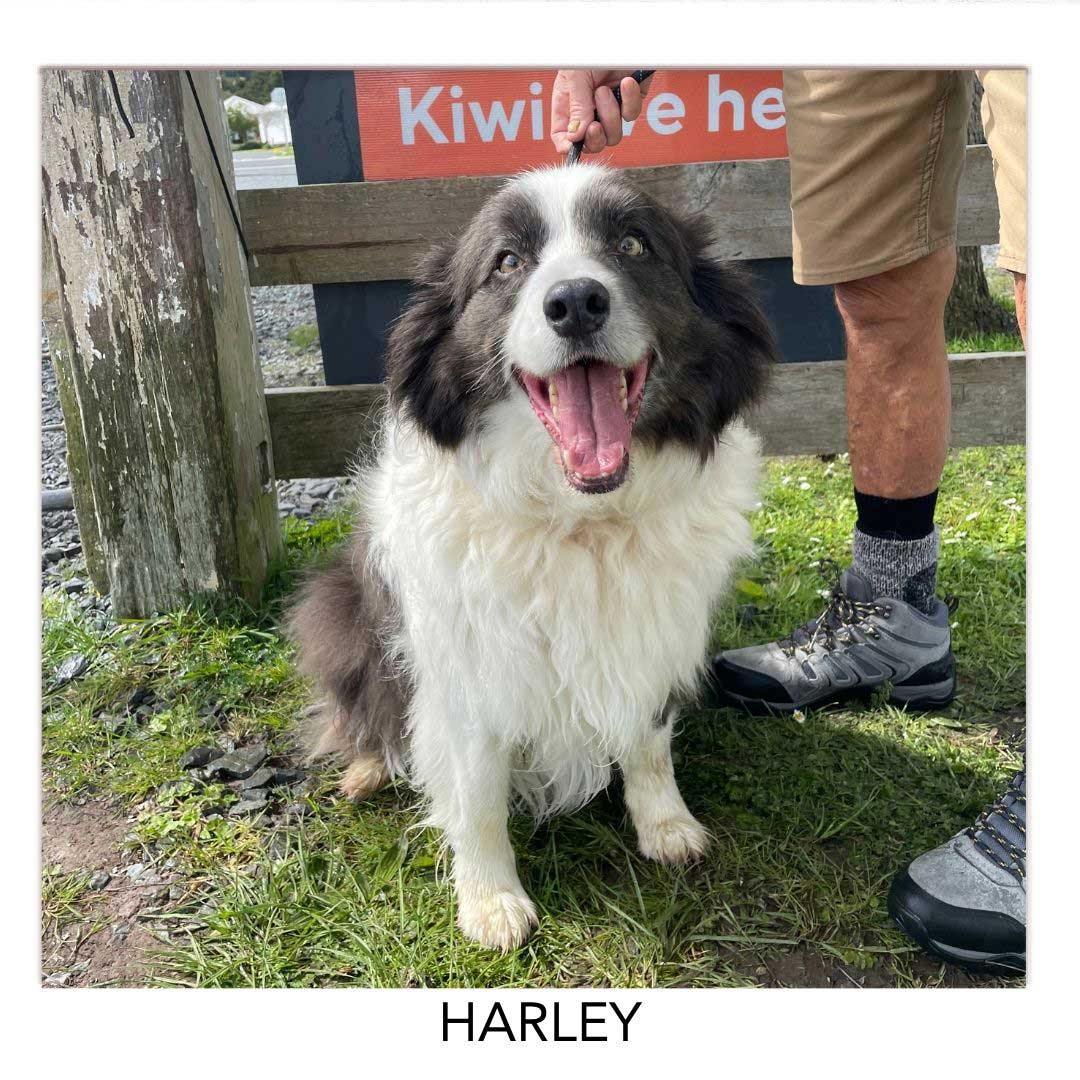
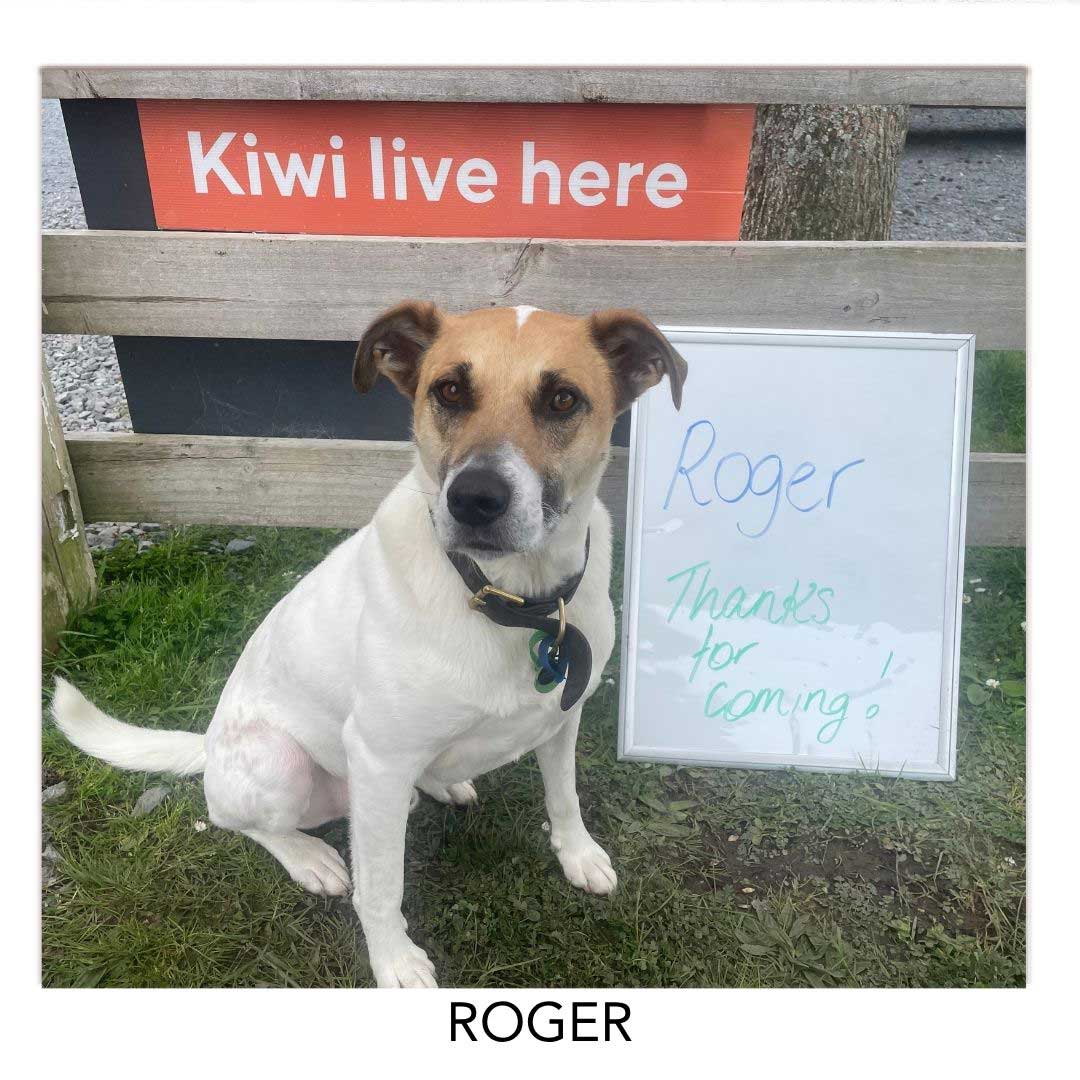
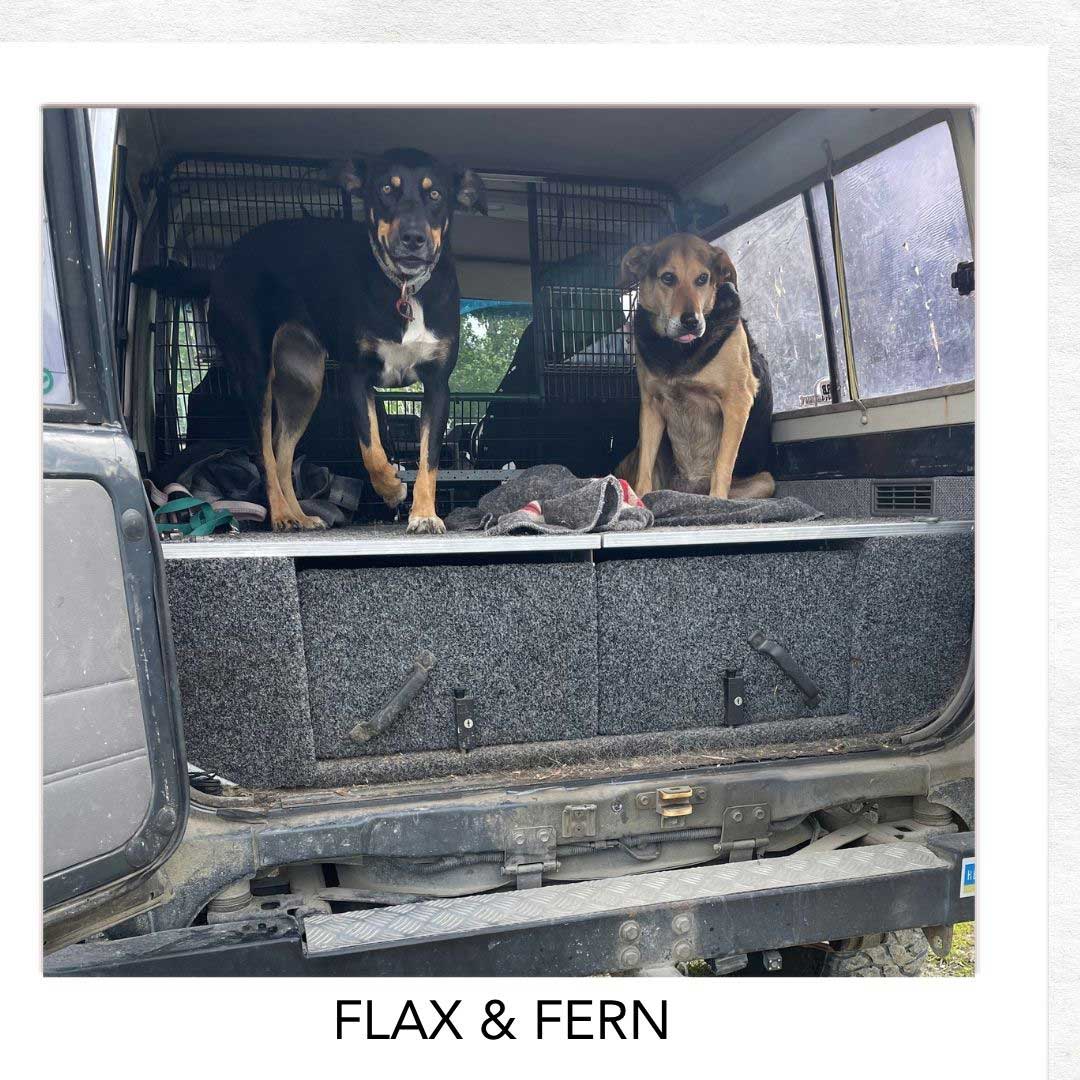
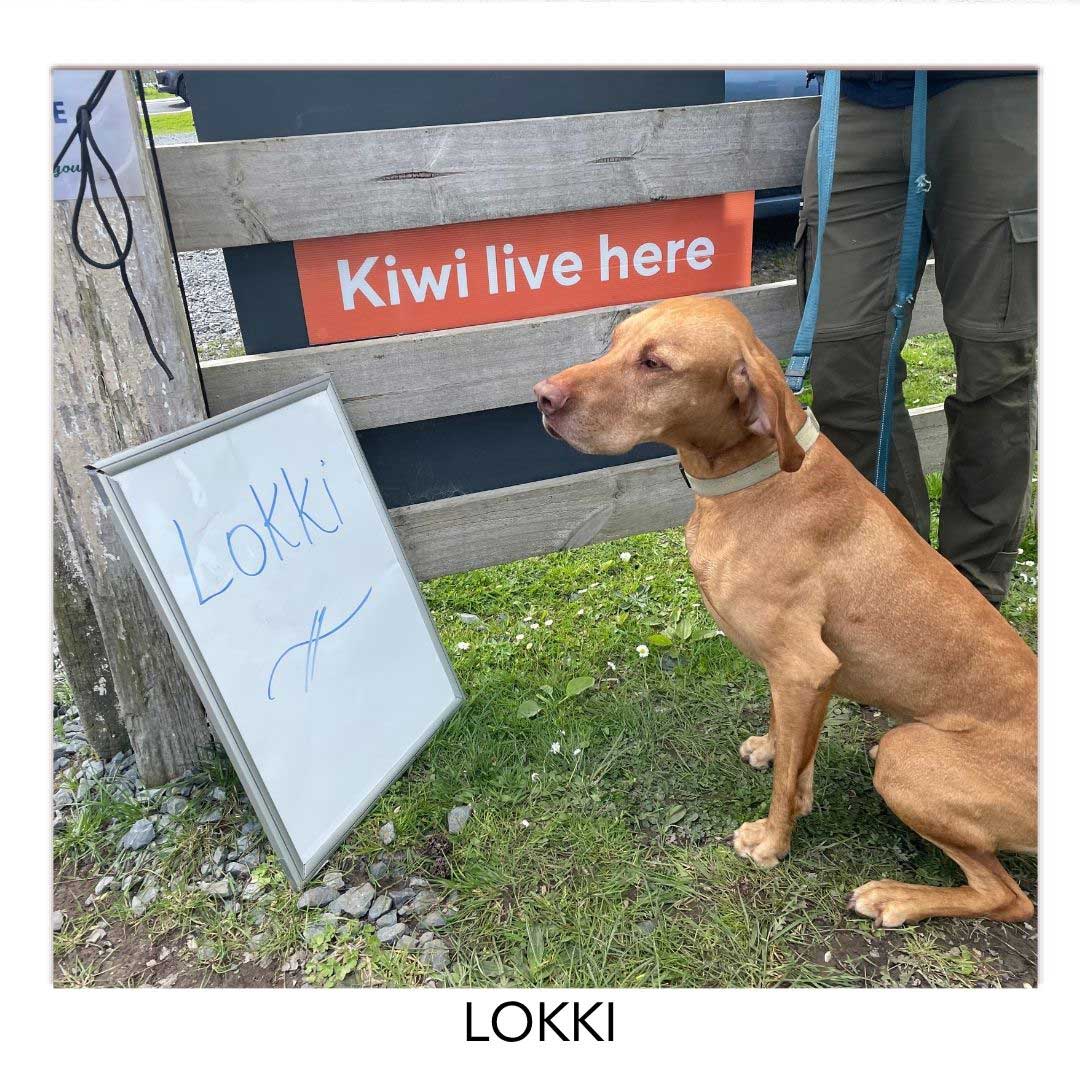
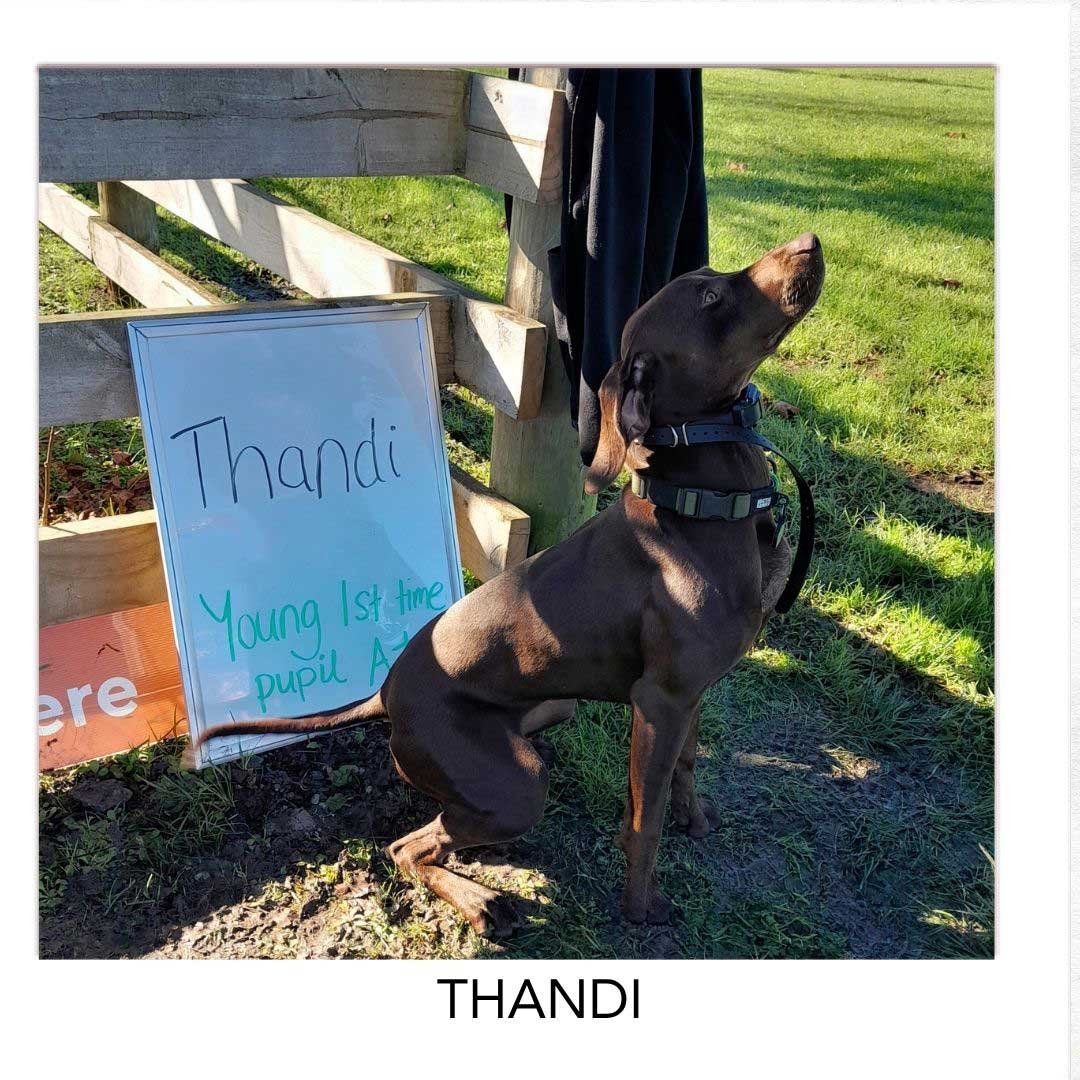
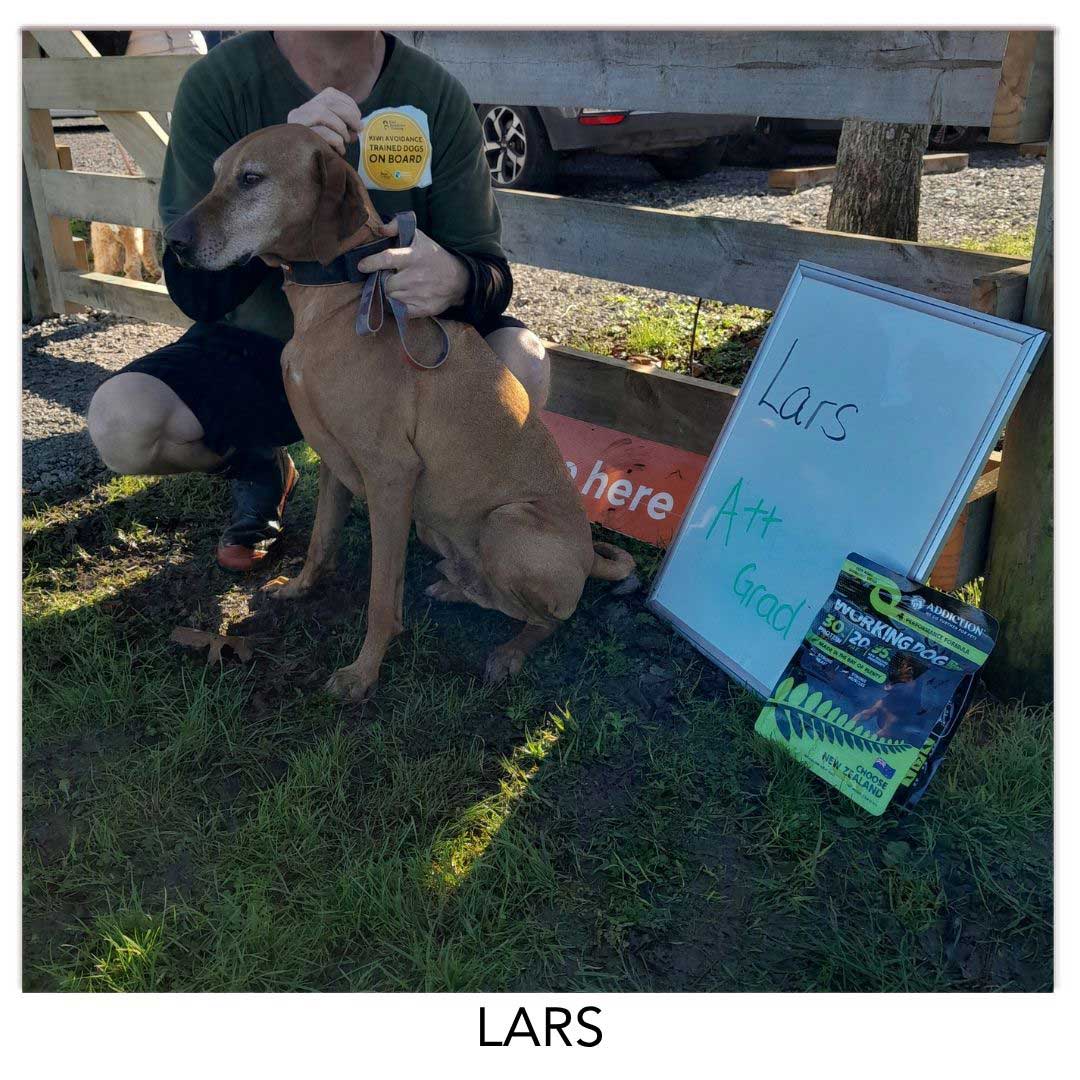
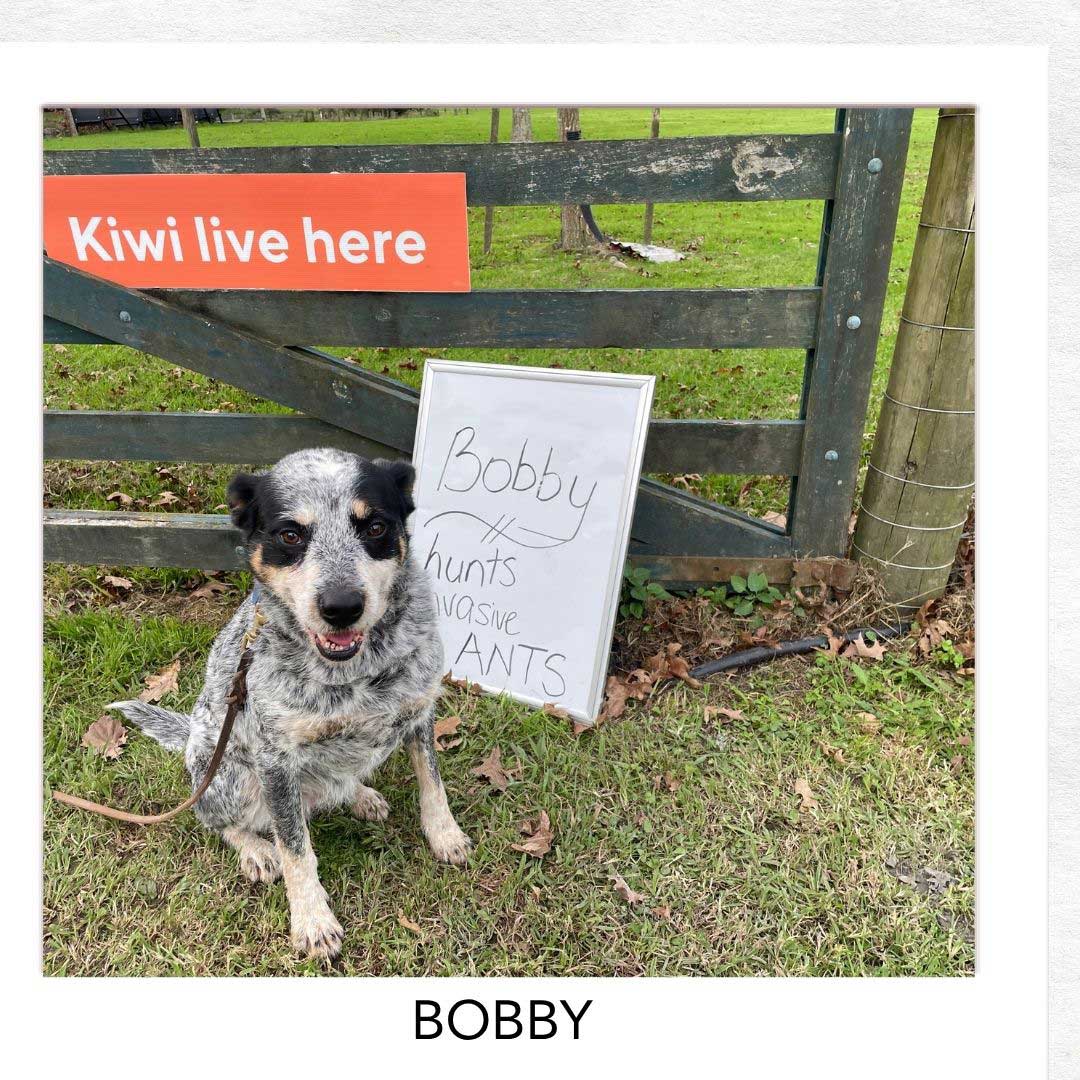
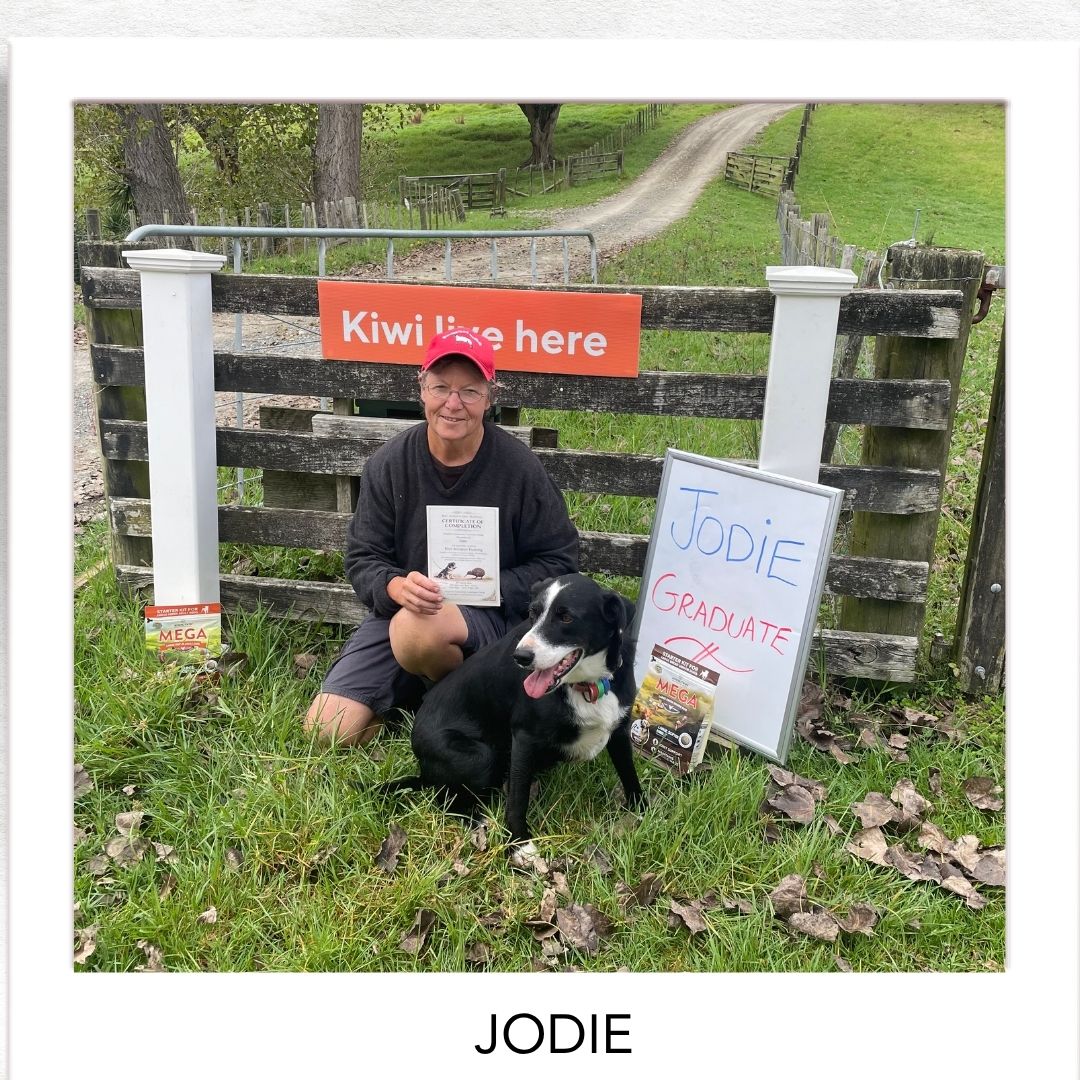
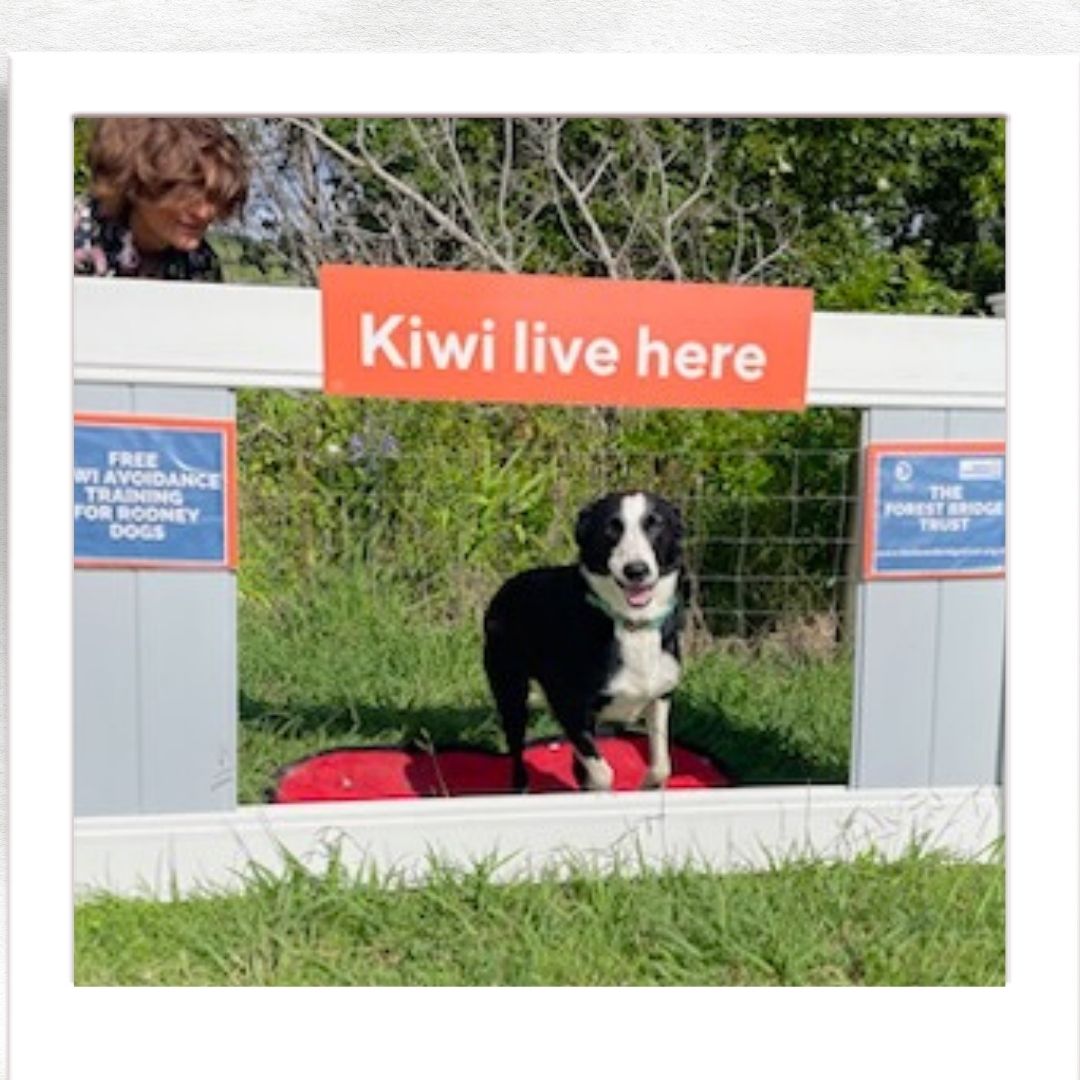
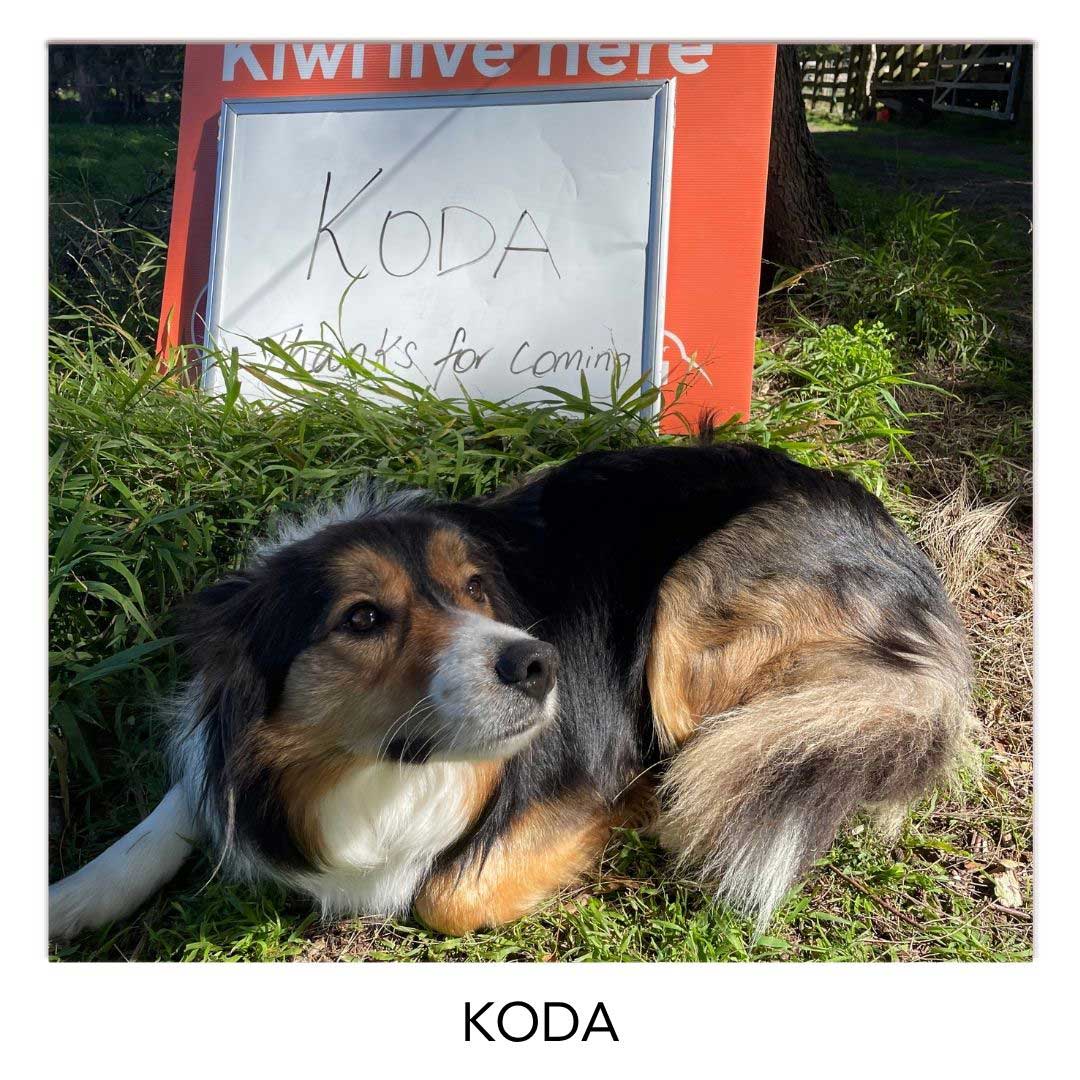
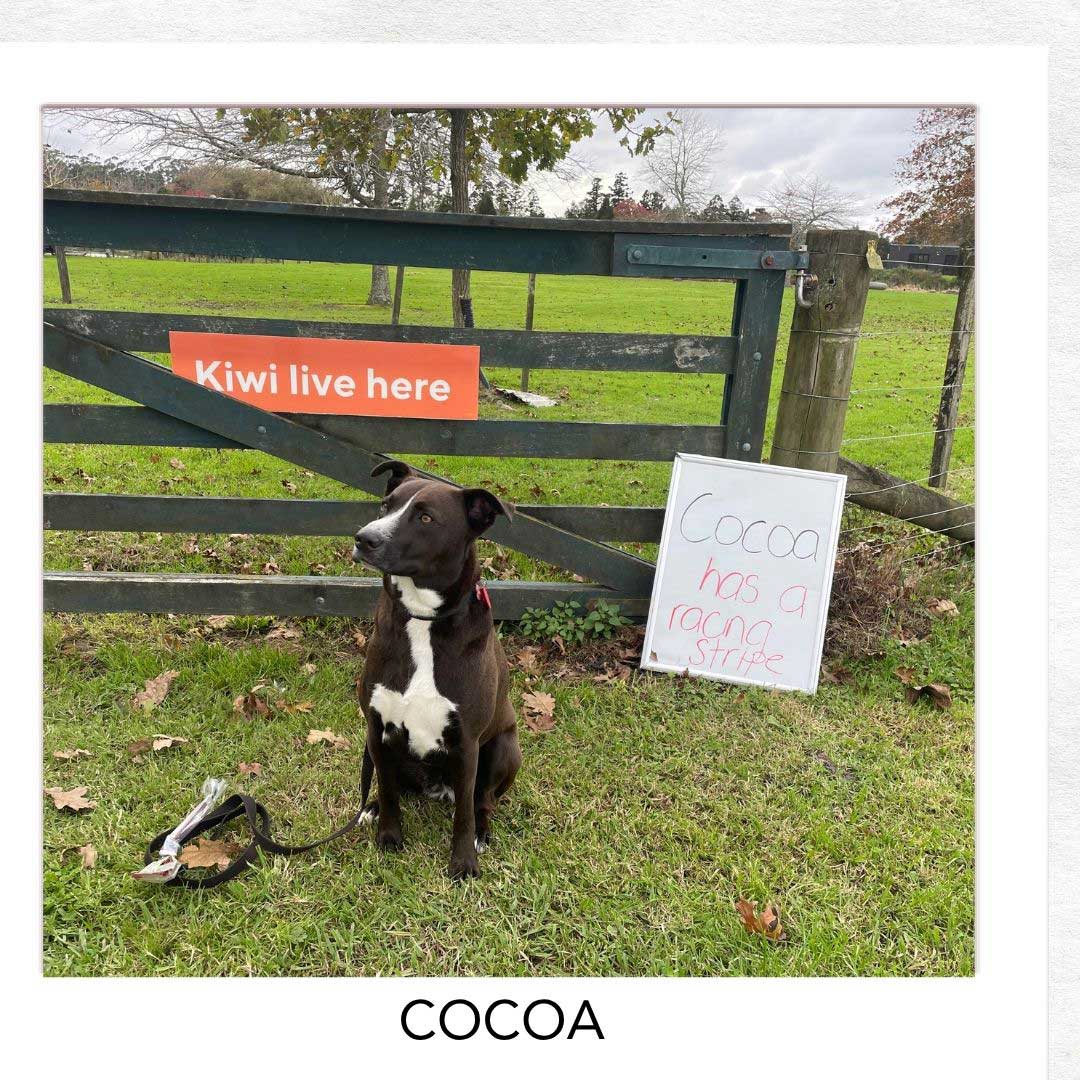
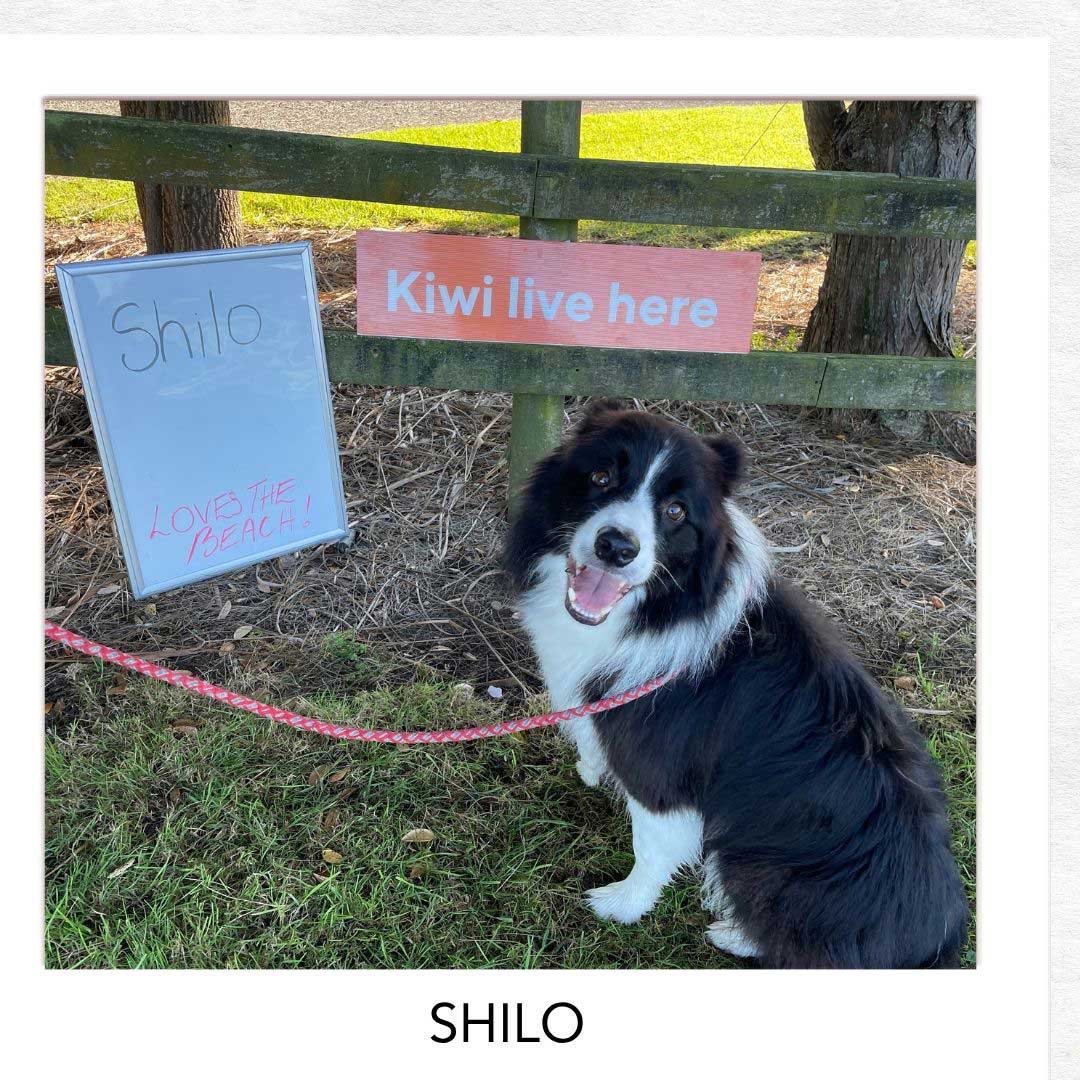
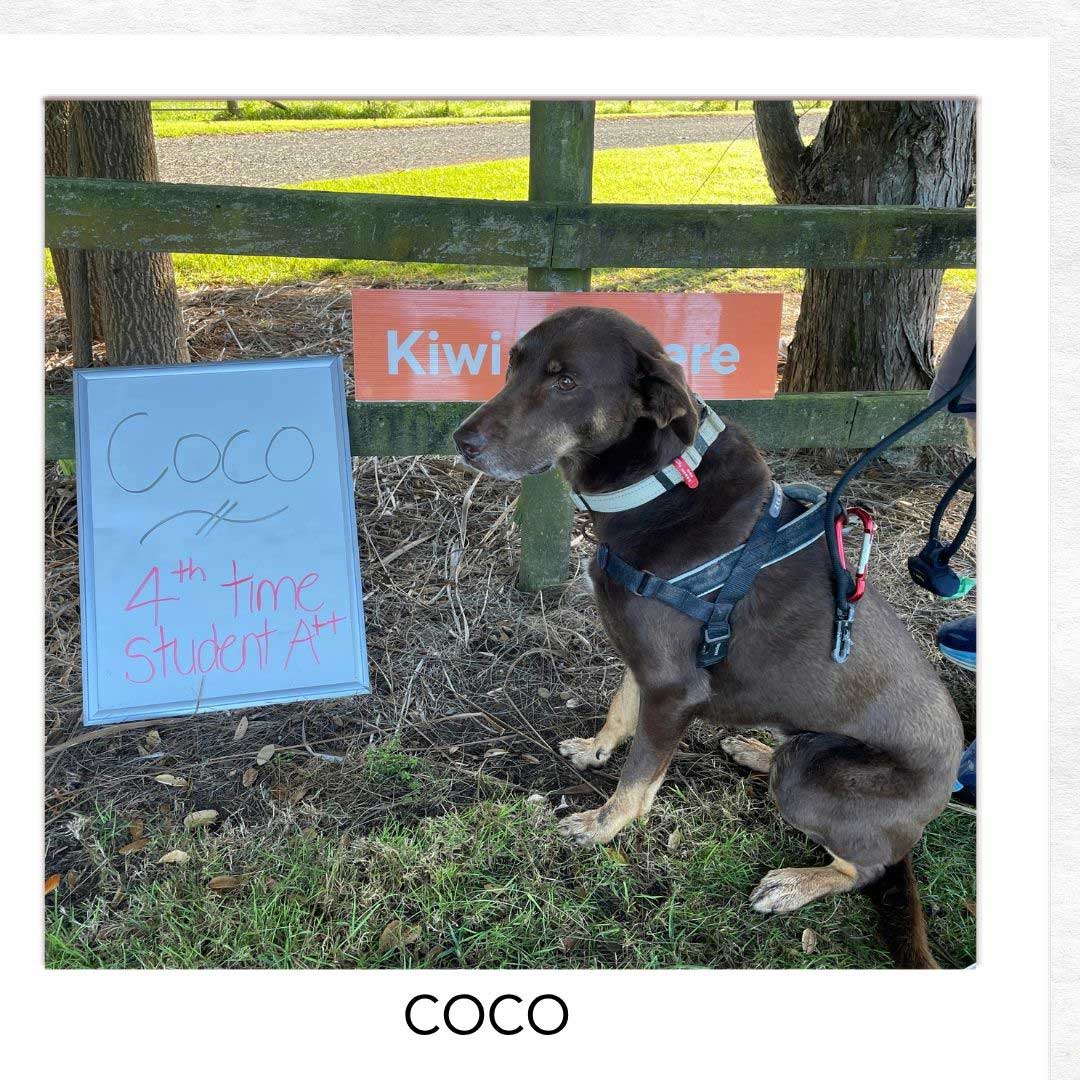
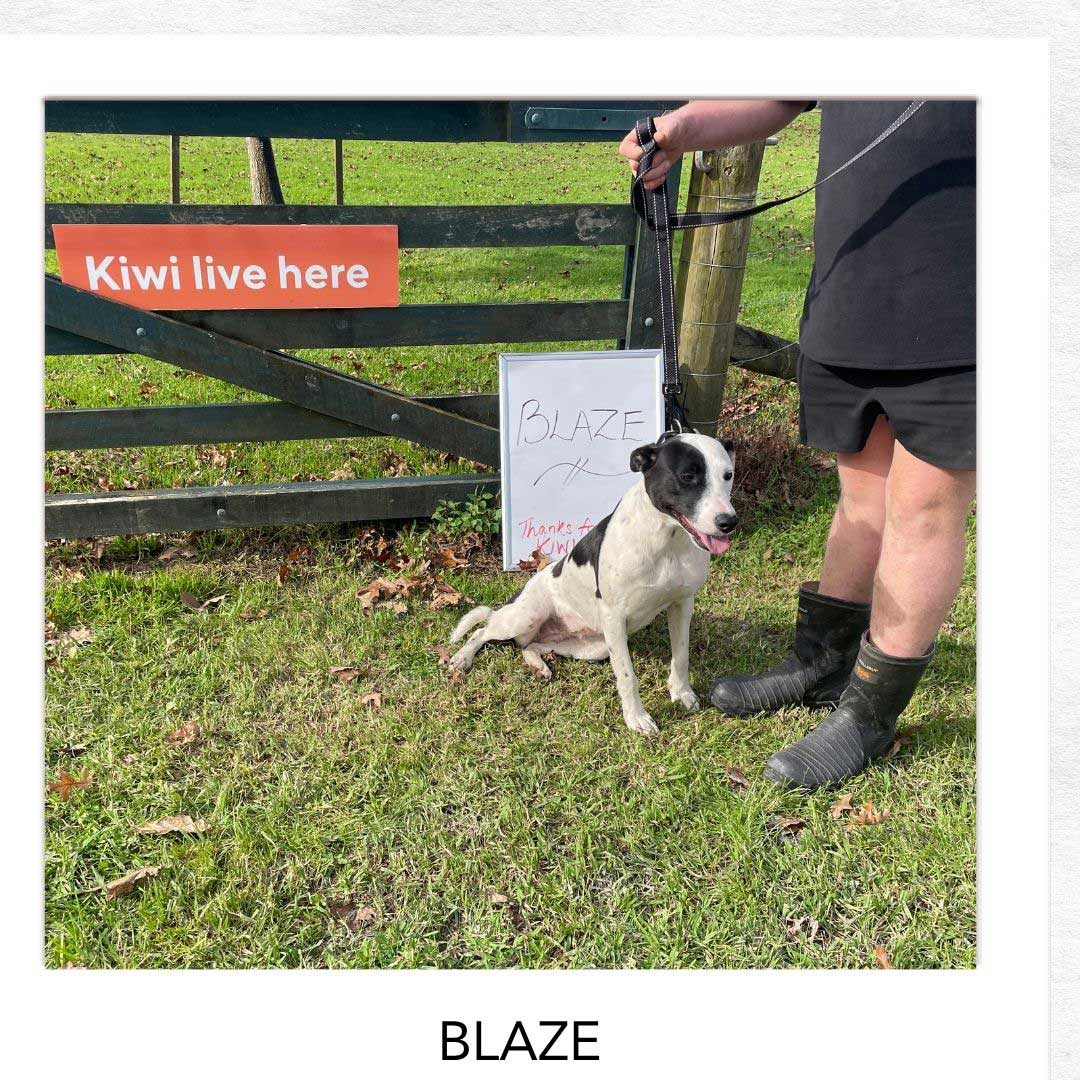
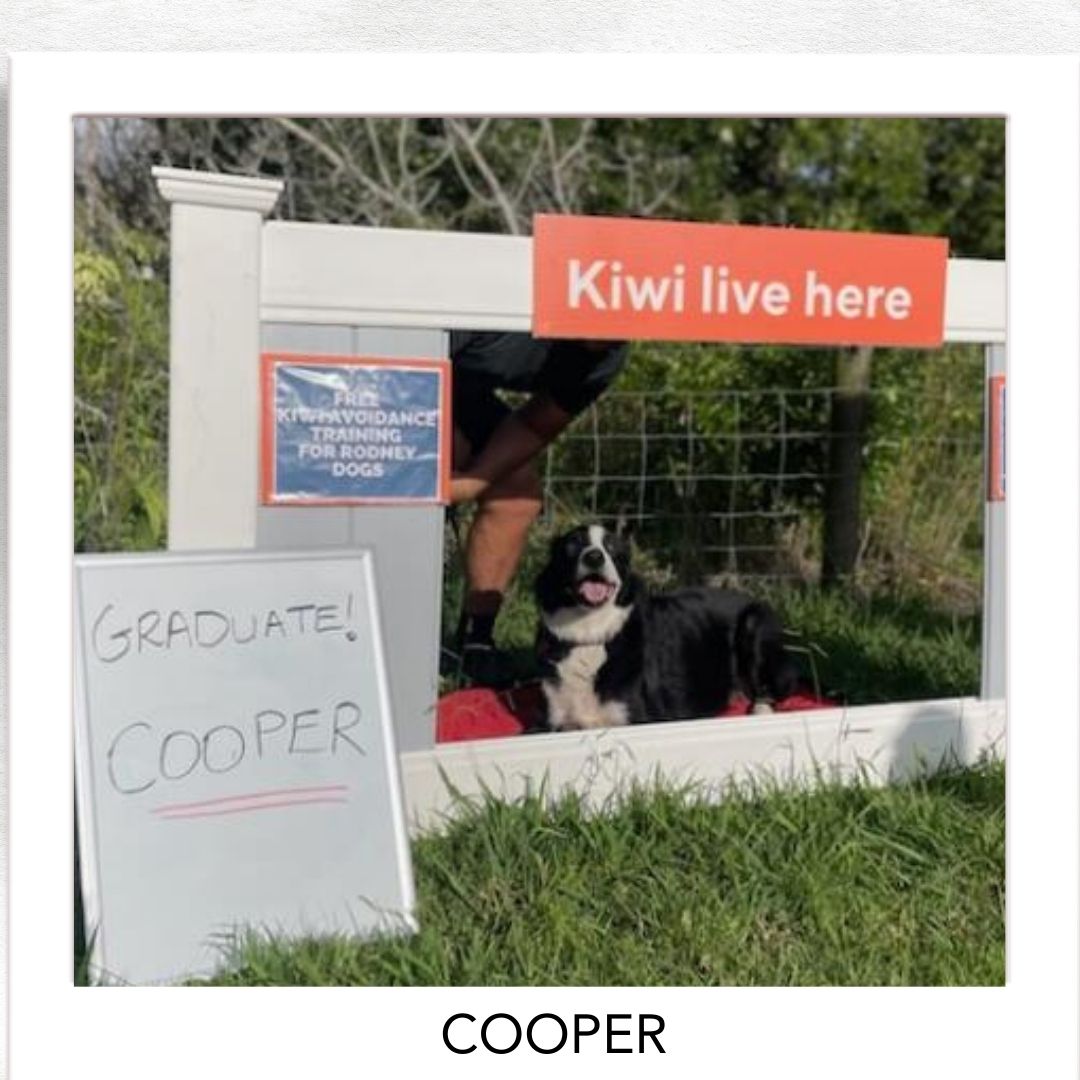
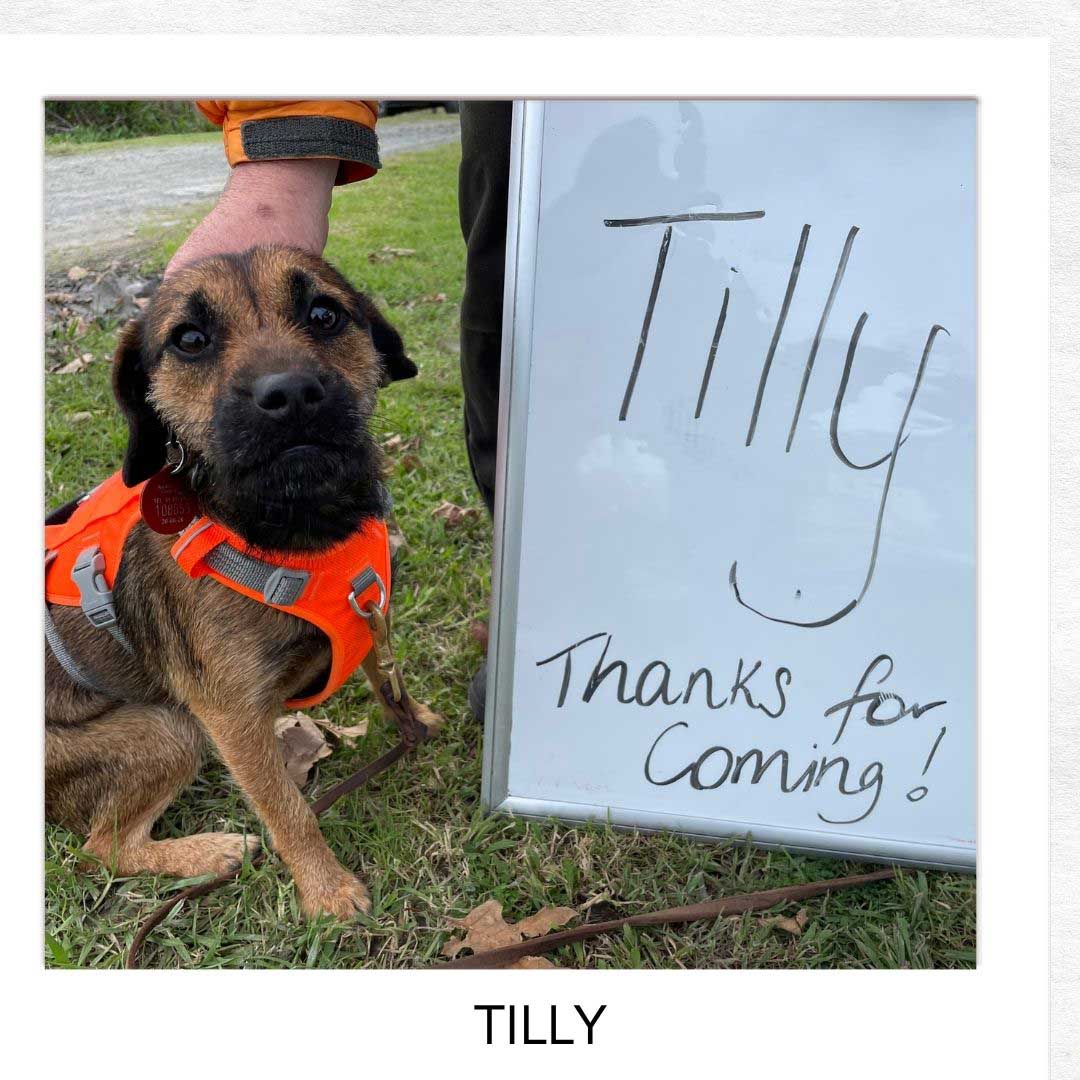
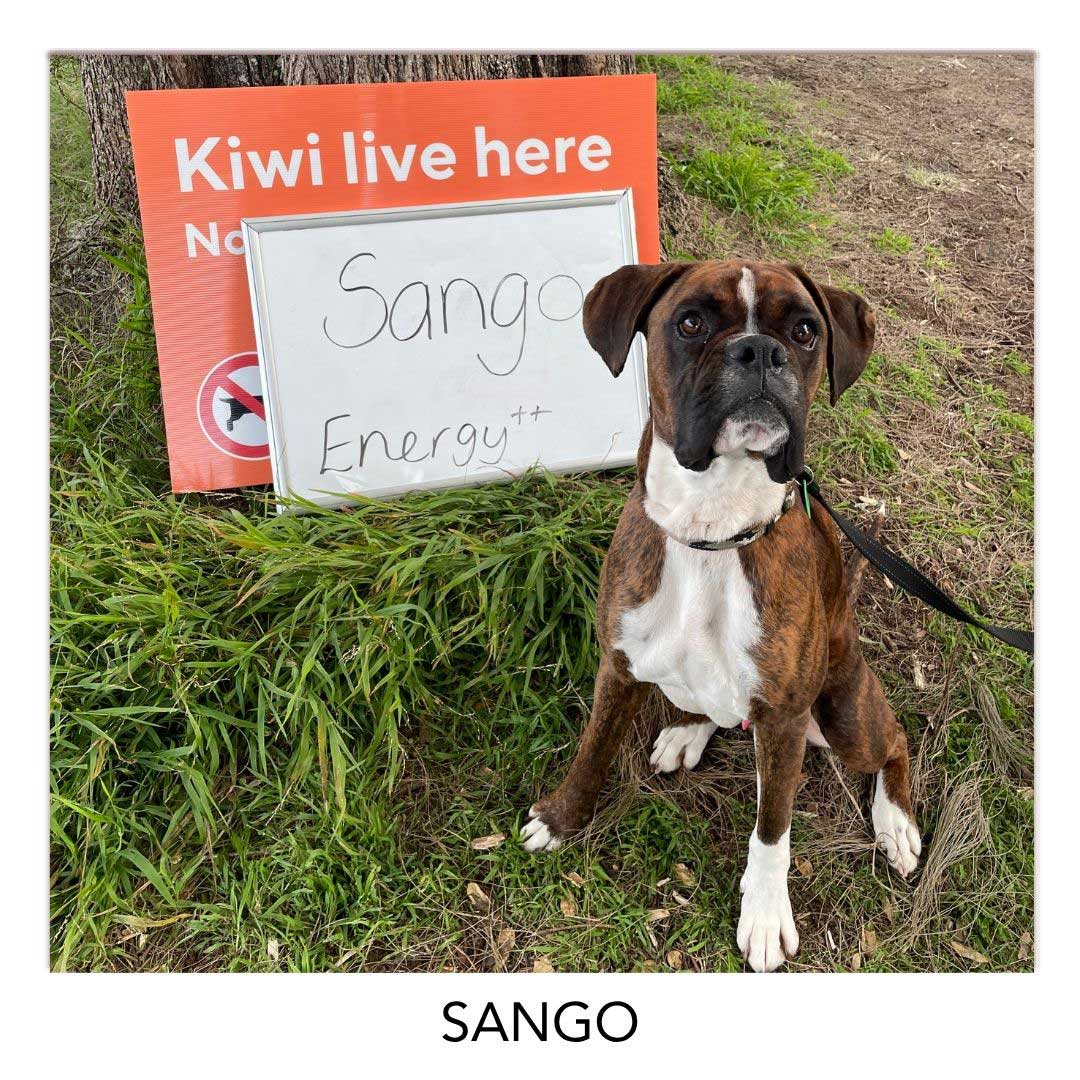
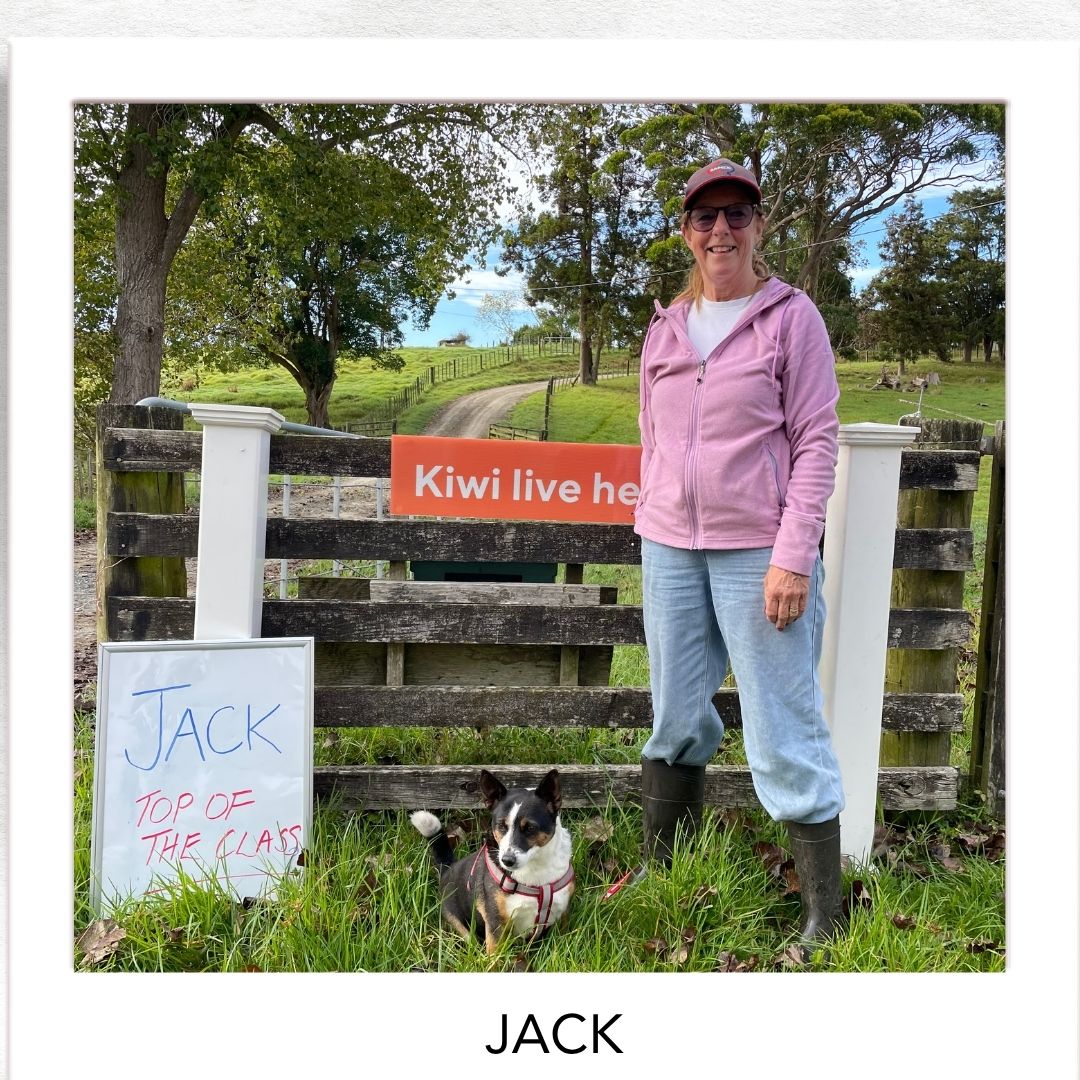
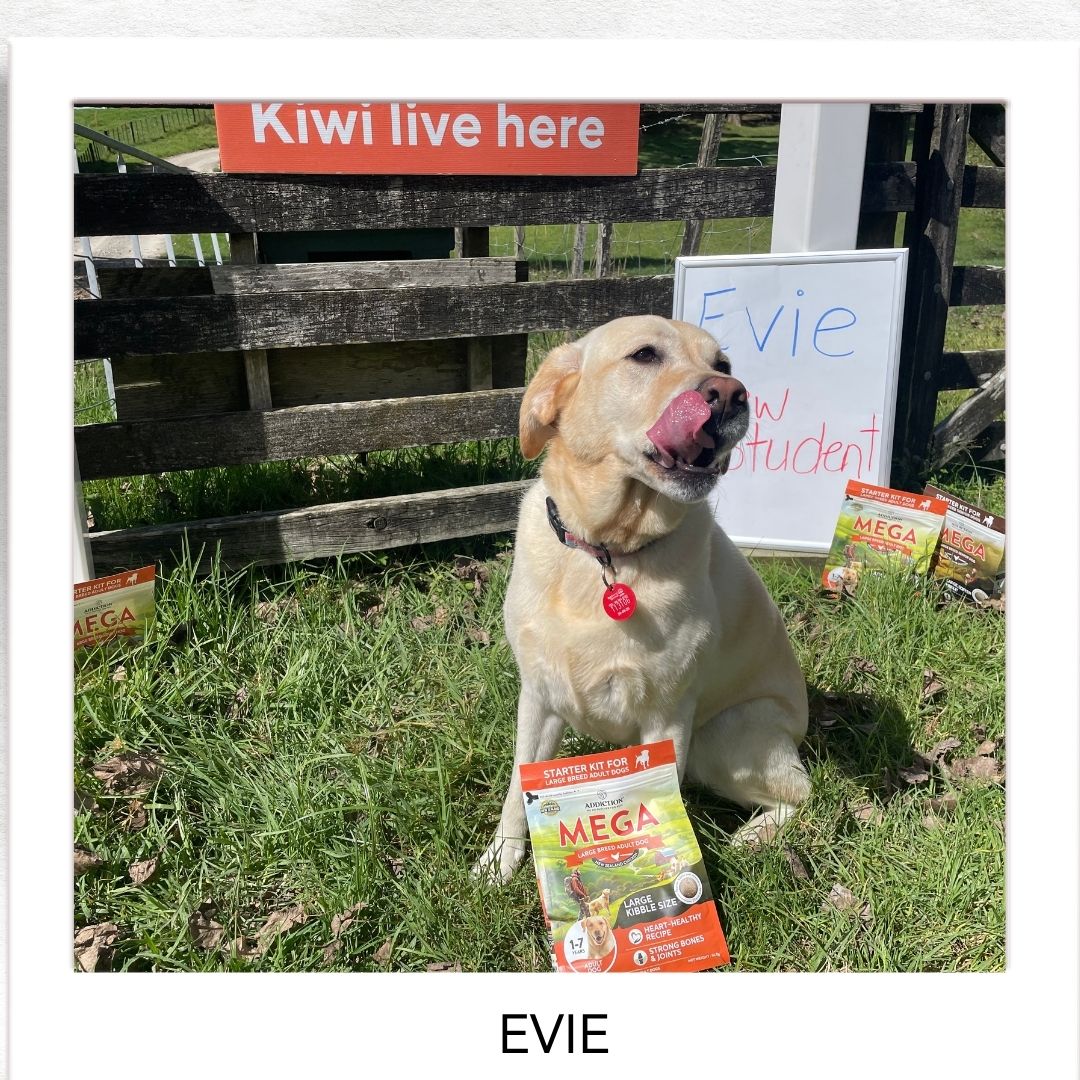
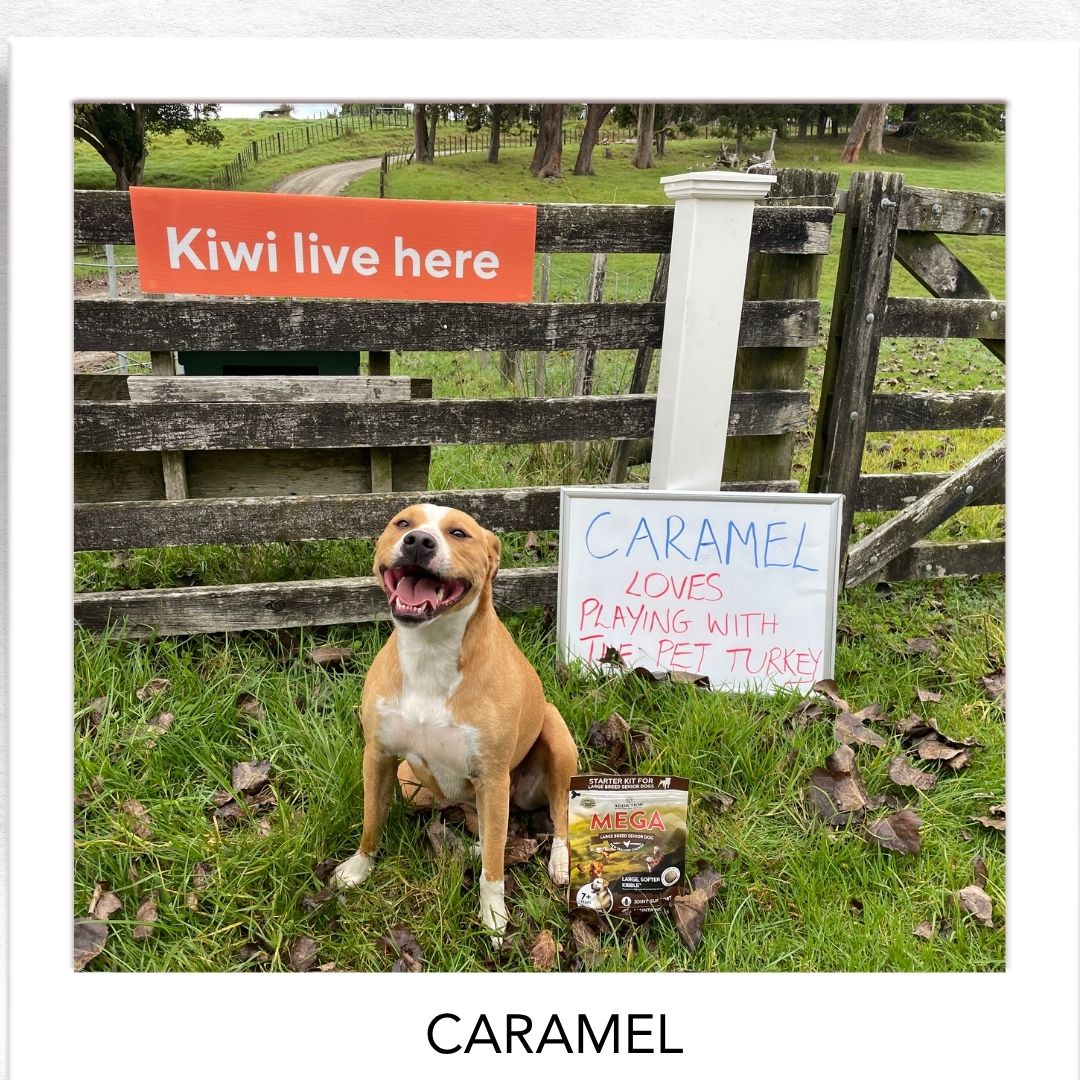
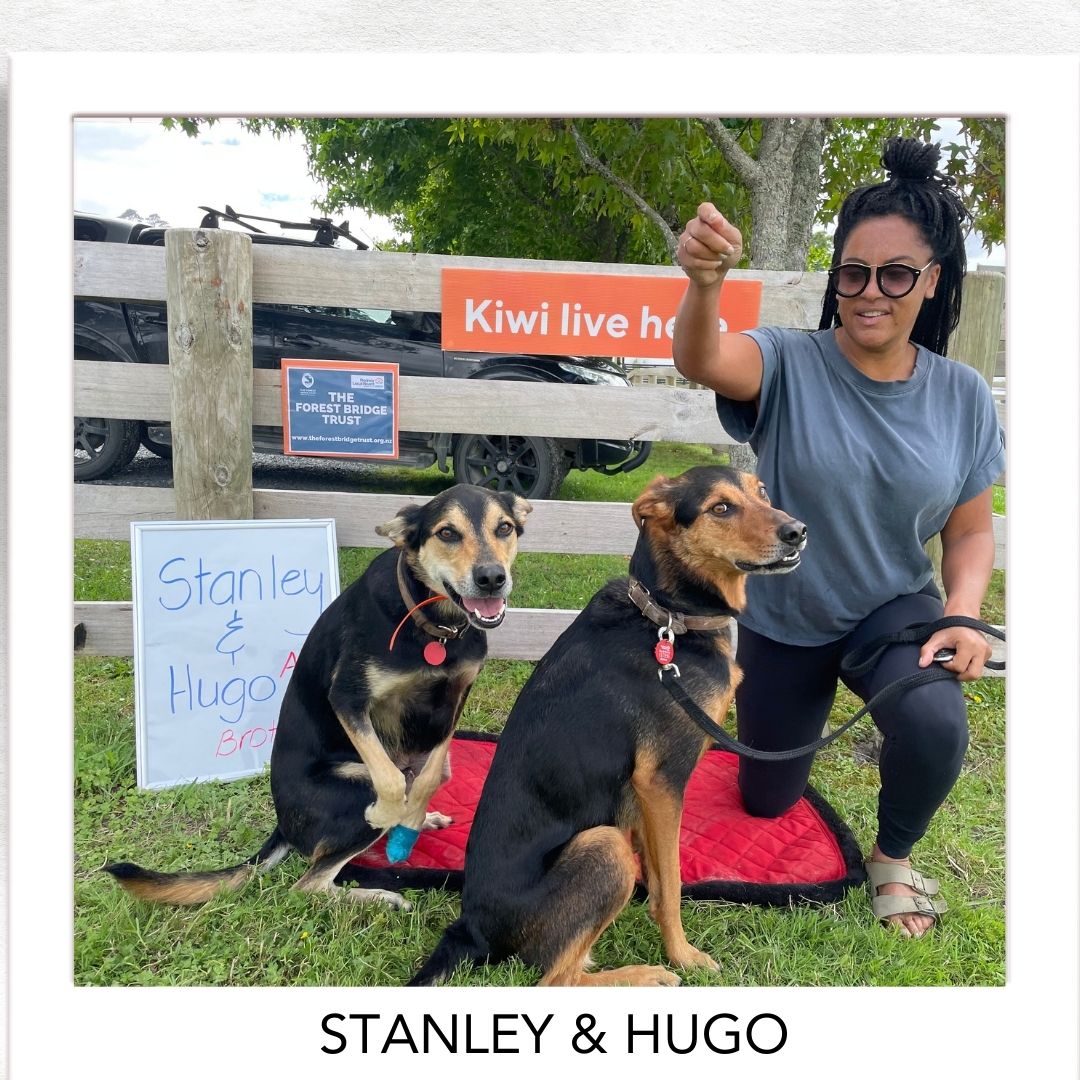
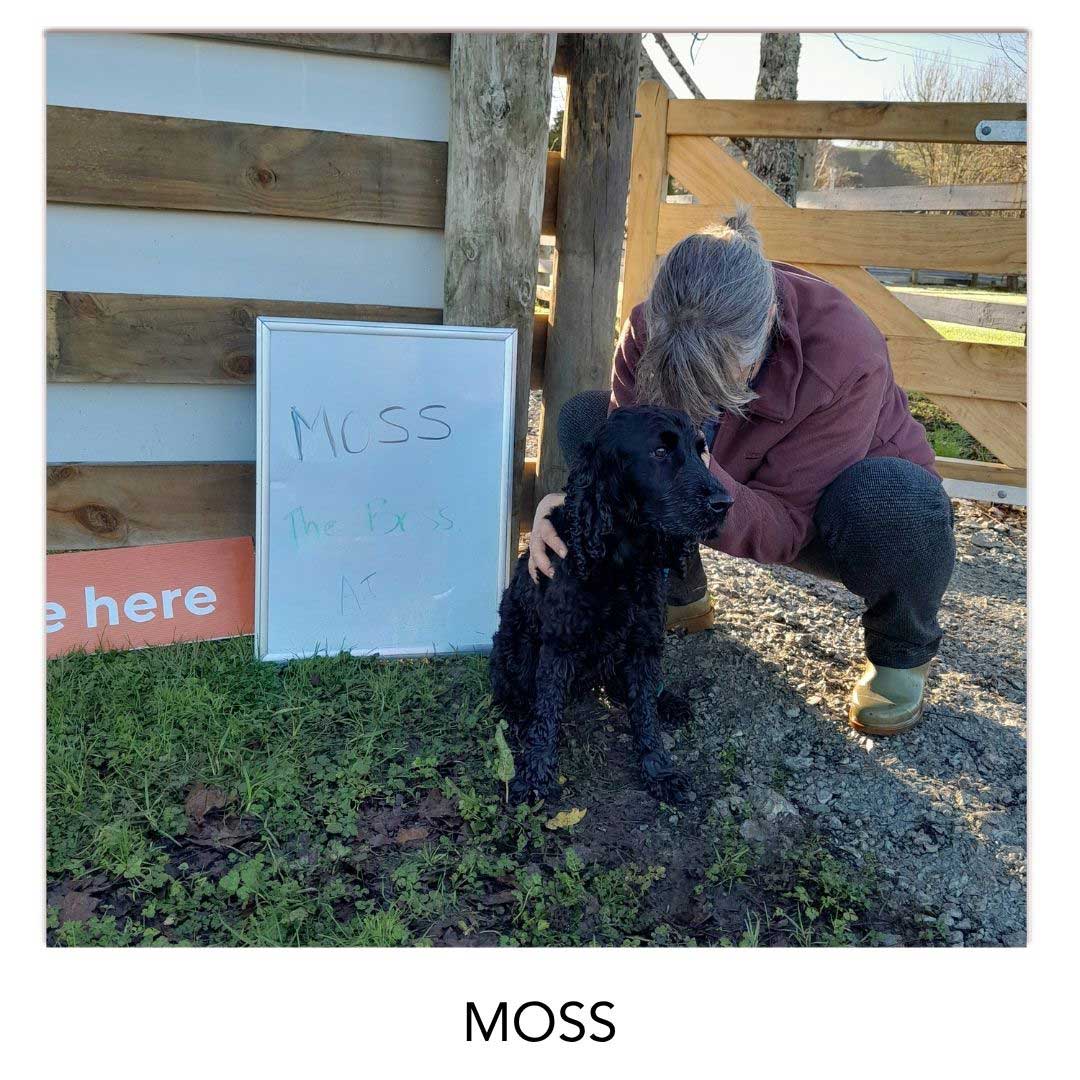
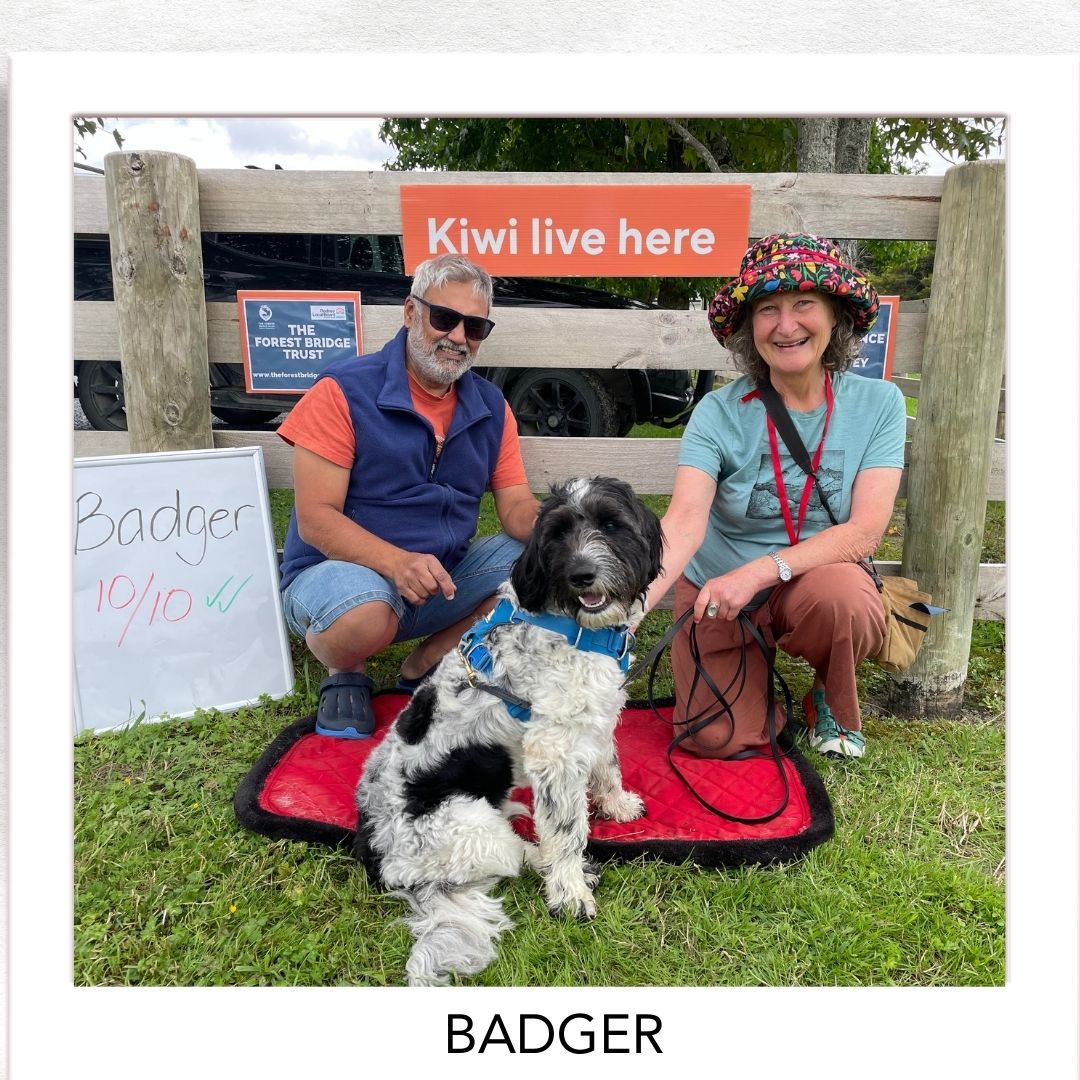
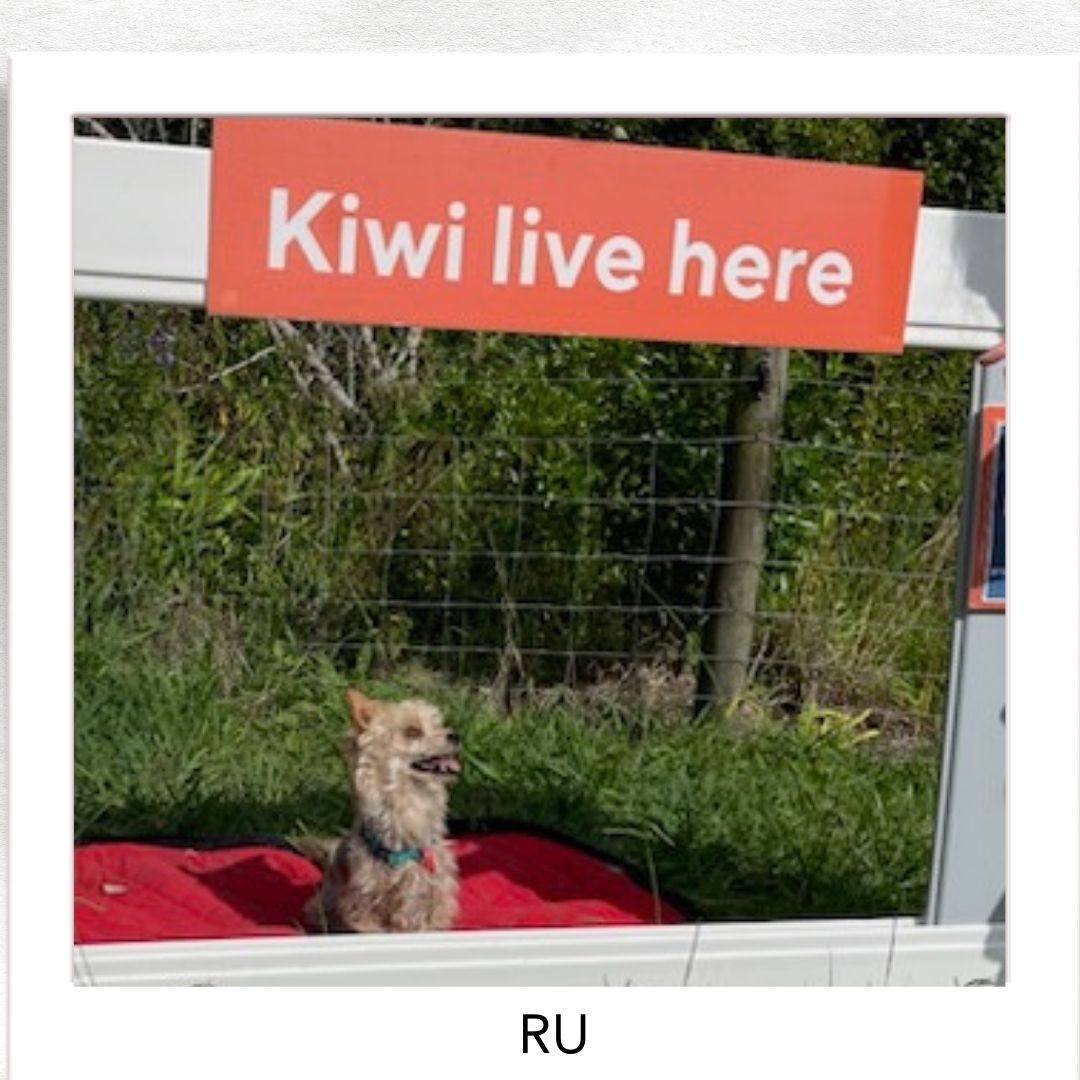
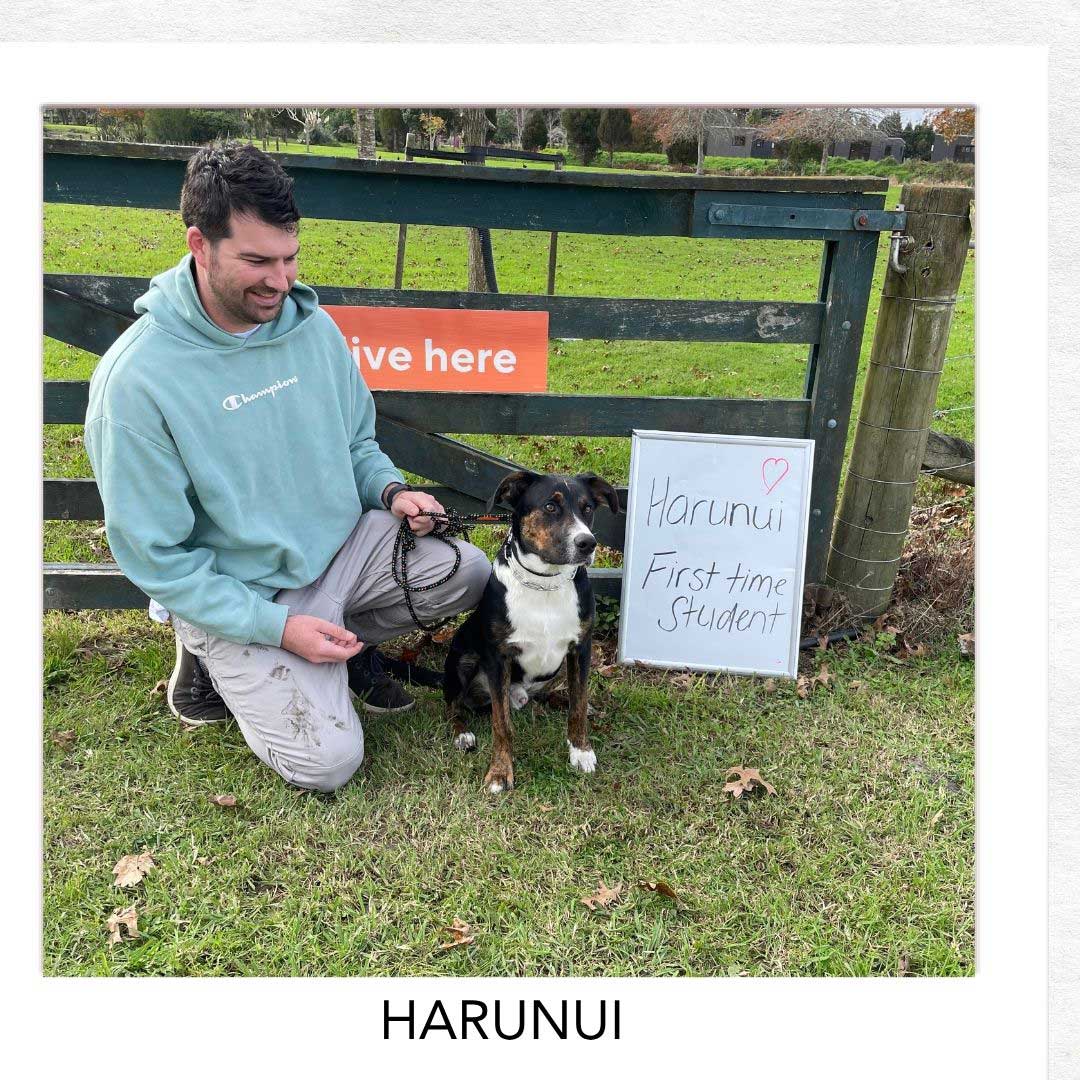
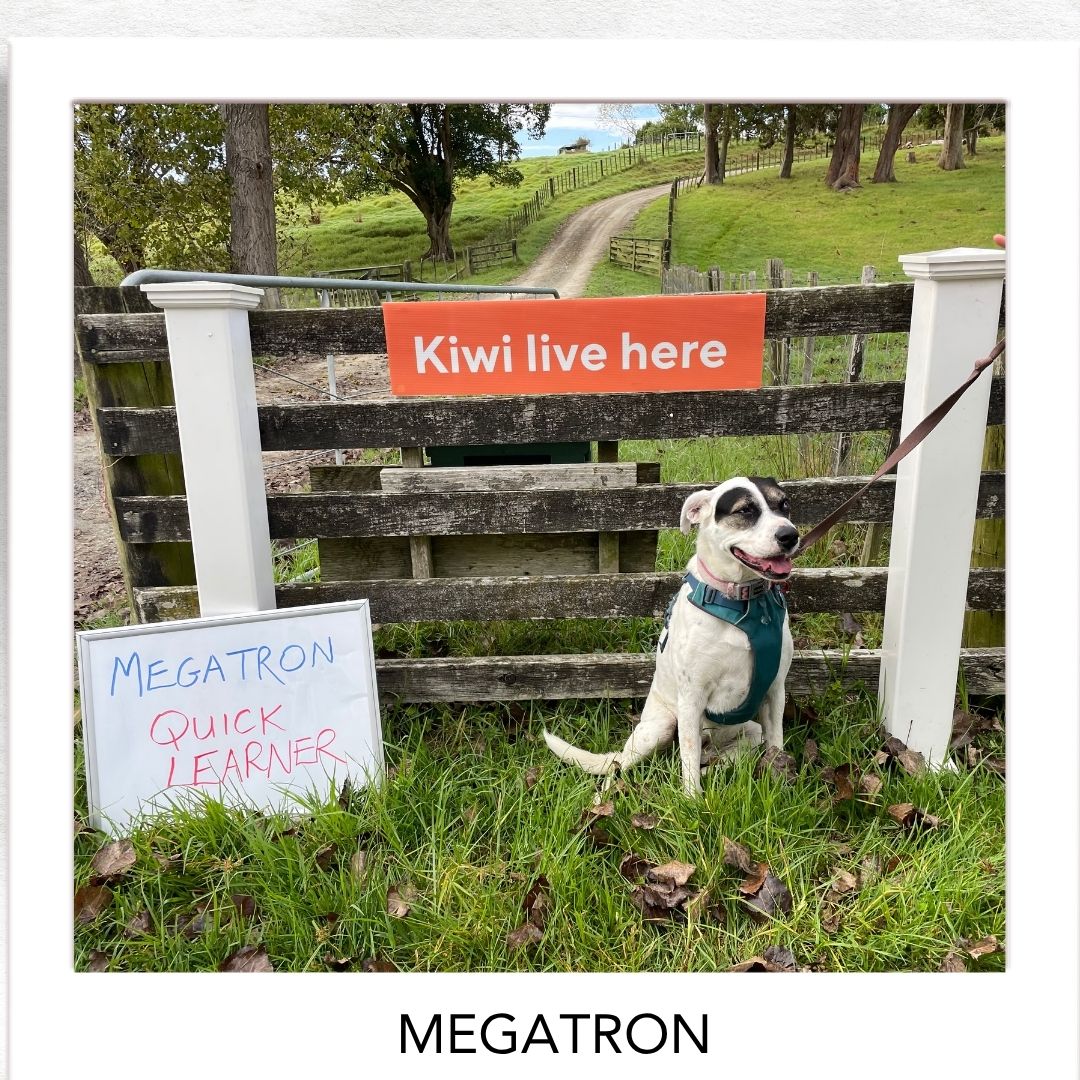
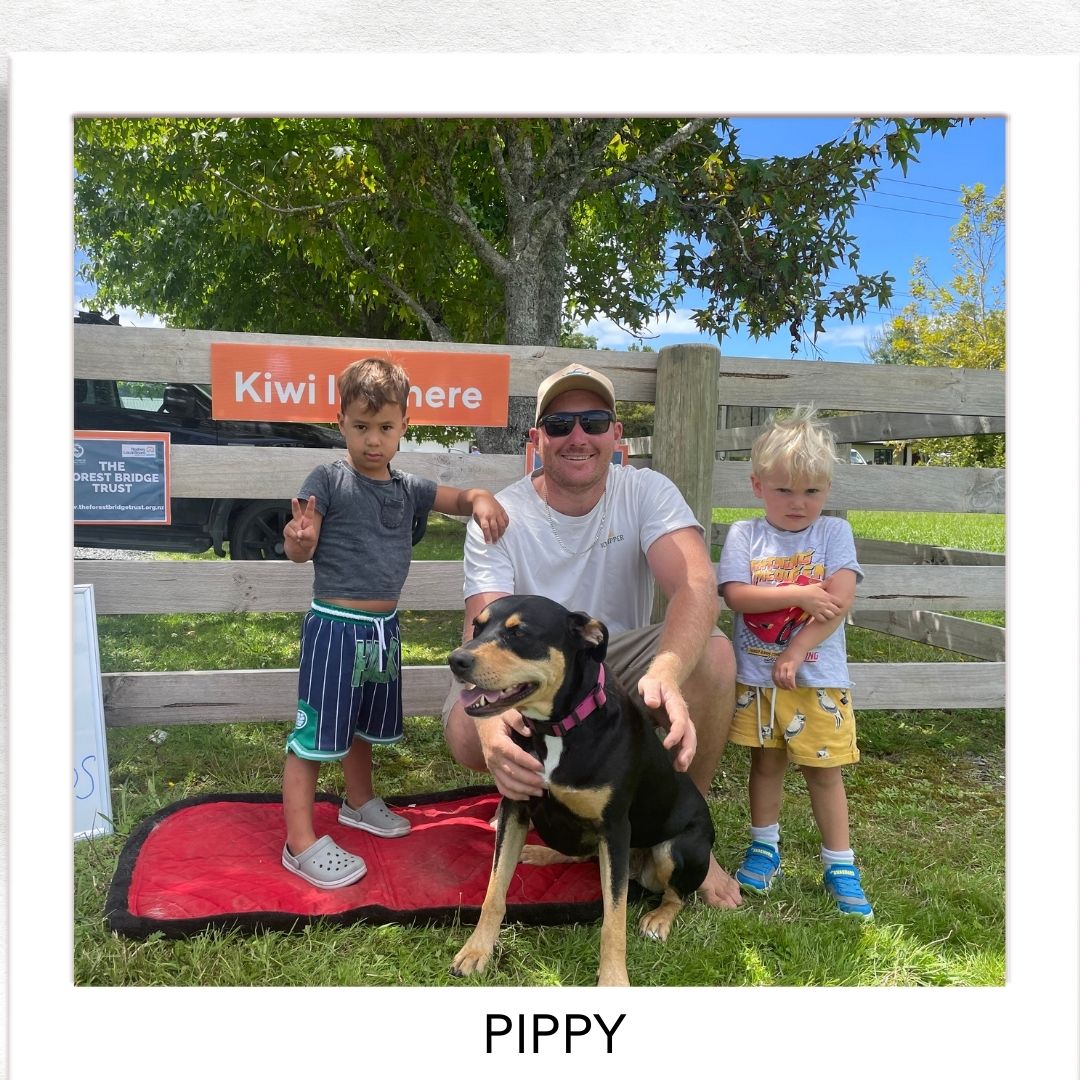
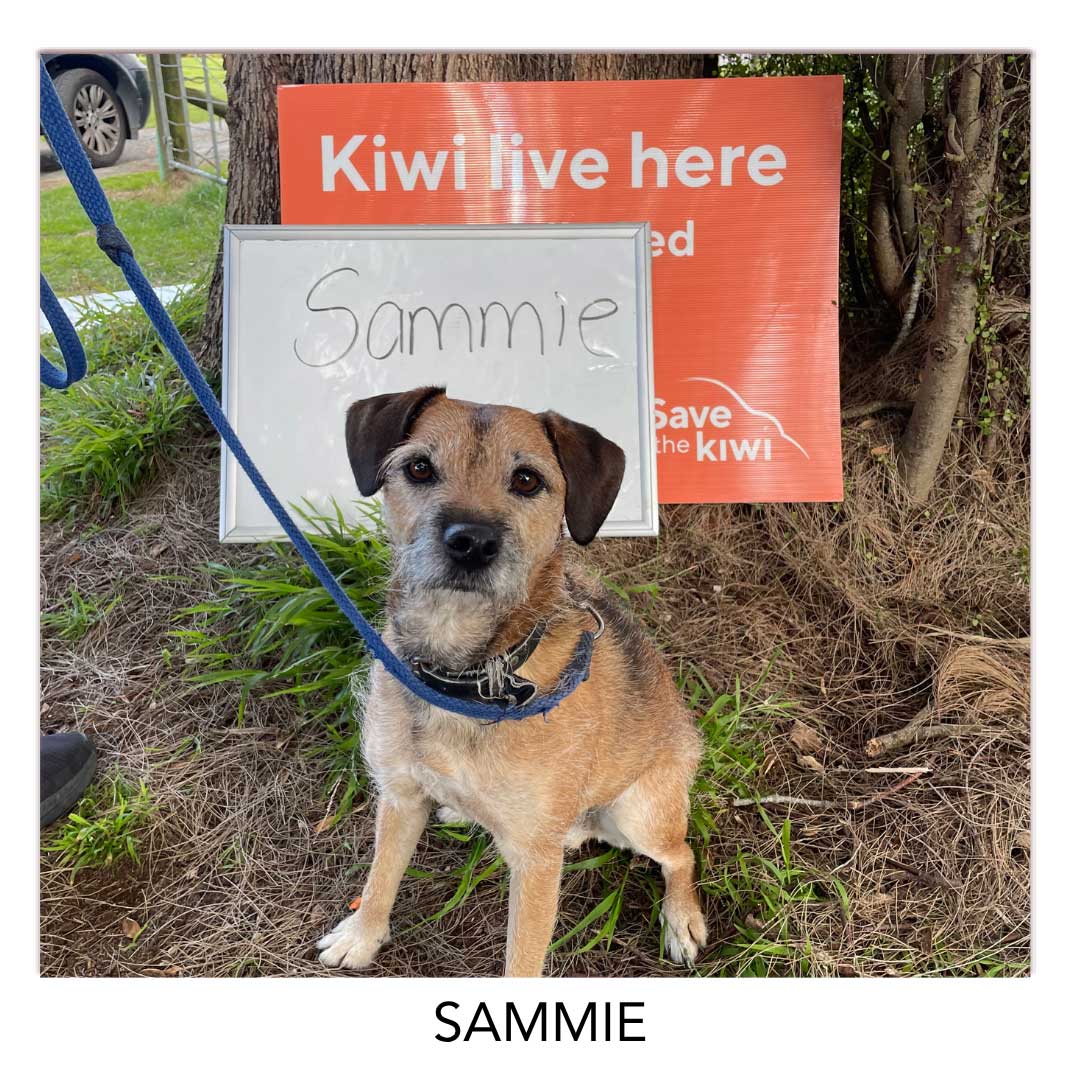
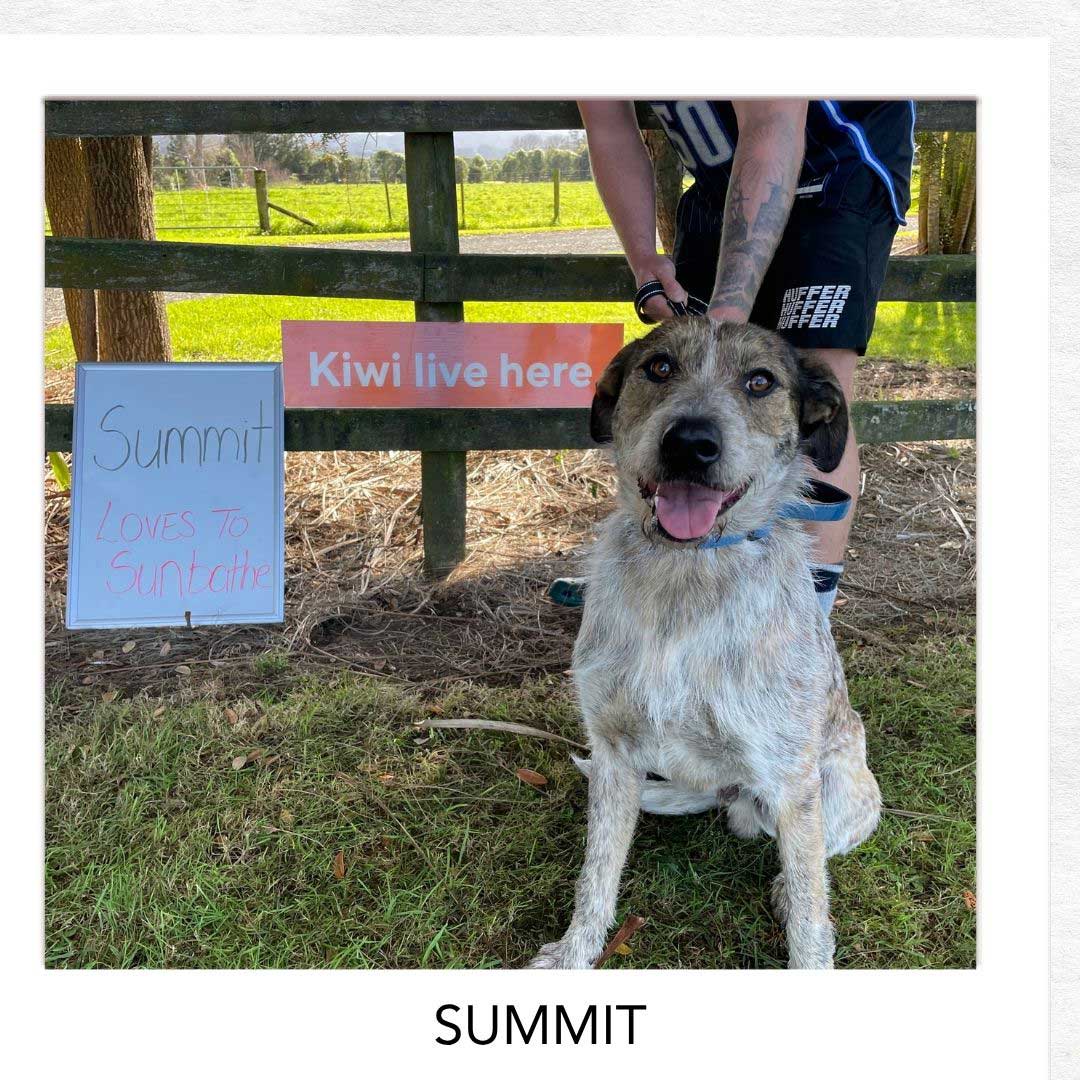
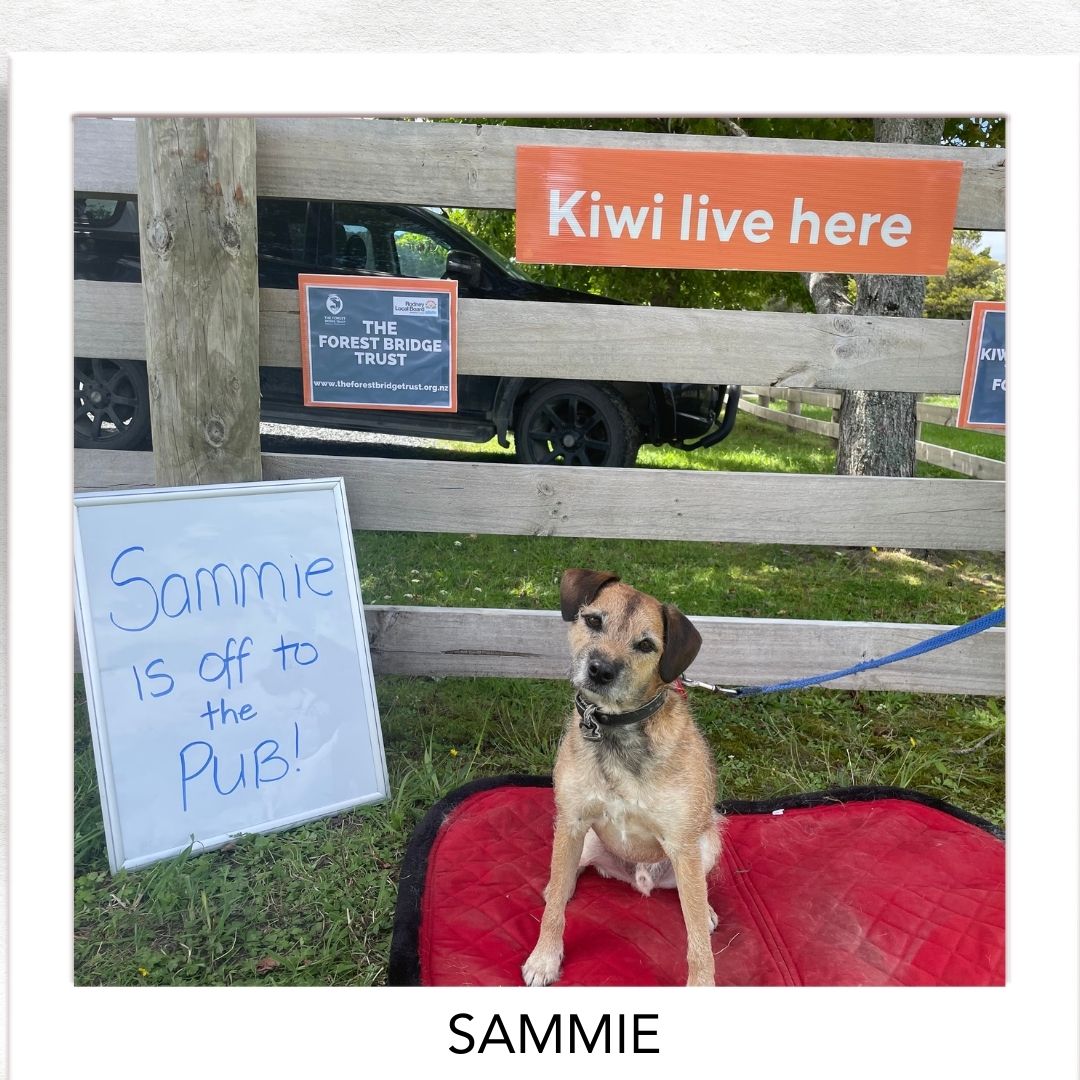
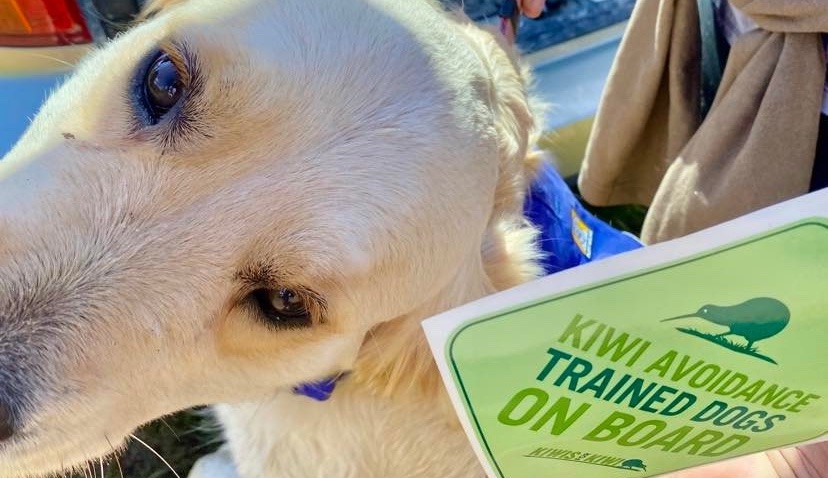
Join the local dogs who have already completed the training!
Book Your Dog in for Kiwi Avoidance Training
Dogs are one of the biggest threats to kiwi. Even friendly, well-trained dogs can unintentionally harm these flightless birds. Kiwi Avoidance Training helps your dog learn to stay away from kiwi, reducing the risk to our national treasure.
To book your dog onto a Free Kiwi Avoidance Session with the Forest Bridge trust please BOOK NOW or contact us on KAT@theforestbridgetrust.org.nz.
Booking Instructions
- Choose: North Island, Auckland Tāmaki Makaurau
- Select a “The Forest Bridge Trust Free Training Session”
- Select a date and time that suits you
For more information, please see the User Guide developed by Save the Kiwi.
Any problems or if you would prefer us to make the booking on your behalf contact us on KAT@theforestbridgetrust.org.nz. Please let us know your preferred session date (from those listed on the Kiwi Avoidance Training site) and your dog’s name, breed, age and preferred session time between 9am and 3pm.
Kiwi Avoidance Training Frequently Asked Questions
Q: Is Kiwi Avoidance Training suitable for all dogs?
A: Yes. Kiwi Avoidance Training is suitable for most dogs – from family pets to working and hunting dogs. The training is tailored to each dog’s temperament, size, and experience level to ensure it is effective and appropriate. Our experienced trainers assess every dog on the day to ensure the best possible outcome.
Q: Why is Kiwi Avoidance Training important in our region?
A: Kiwi are continuing to spread through parts of the Rodney-Kaipara landscape as conservation efforts succeed. That means they may now be living in areas you walk, holiday, farm, or visit with friends and whānau. Being a responsible dog owner includes knowing where kiwi are present and taking steps to reduce the risk of harm.
Q: Should I still keep my dog on a lead after training?
A: Yes. Although the training is conducted off-lead in a controlled setting, this does not replace responsible dog management. Unless you are in a designated off-lead area, dogs should always be kept on a lead. Kiwi Avoidance Training is an additional safeguard — not a substitute for supervision and control.
Q: How does the e-collar training work? Is it safe?
A: The training uses a professionally managed e-collar across three simulated kiwi scenarios to teach dogs to avoid kiwi scent and presence. The correction level is carefully adjusted to suit each dog’s size and temperament. When delivered correctly, the brief correction is associated with the kiwi stimulus — not the owner — teaching the dog to actively avoid kiwi in the future. The process is overseen by trained, experienced handlers to ensure it is safe and effective.
Q: Will I receive a certificate after the training?
A: Yes. You will receive a Kiwi Avoidance Training certificate by email following completion of the session. This certificate can be useful if you plan to hike or hunt in areas managed by the Department of Conservation (DOC), where proof of kiwi avoidance training may be required or recommended.
Celebrate Your Kiwi-Avoidance Trained Dog
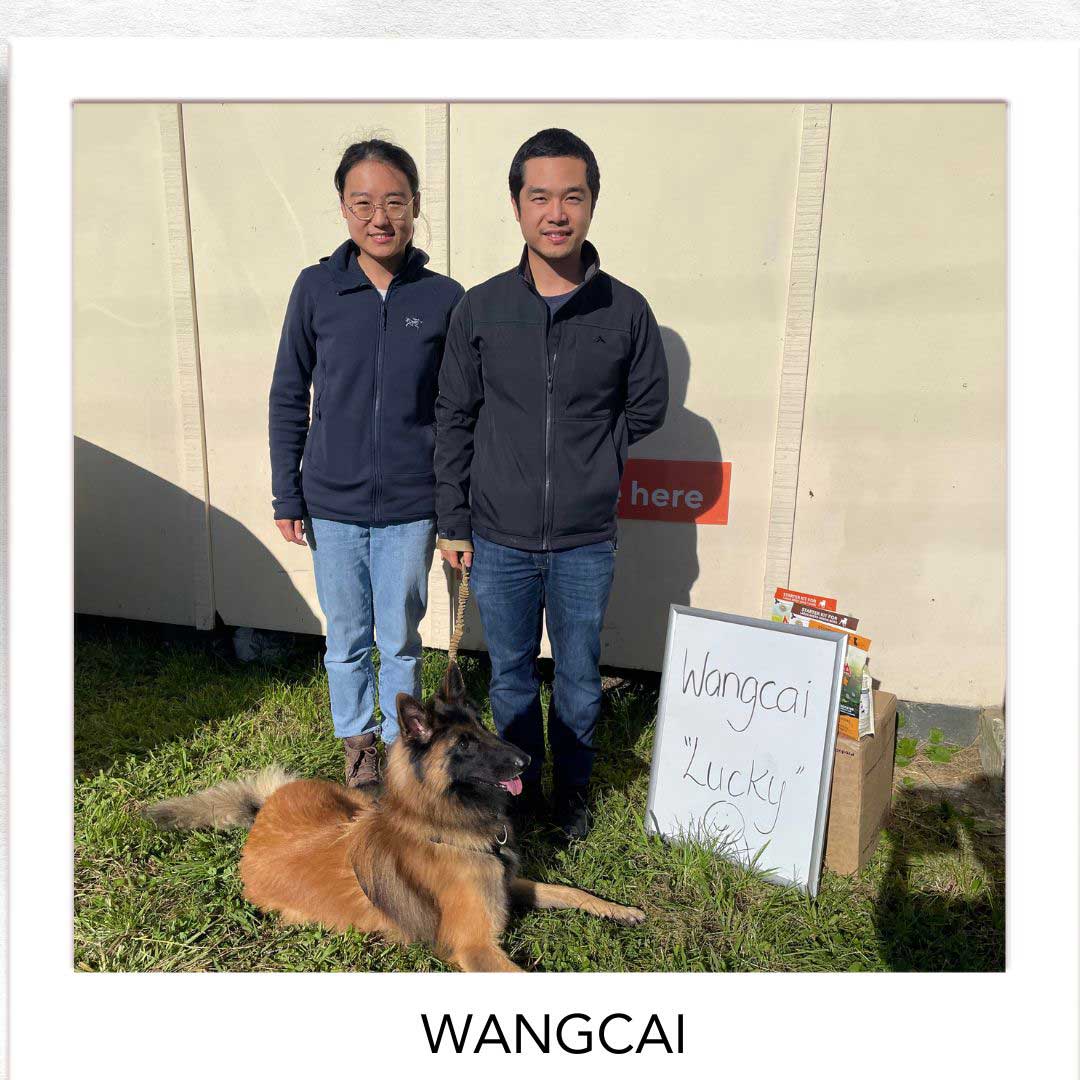
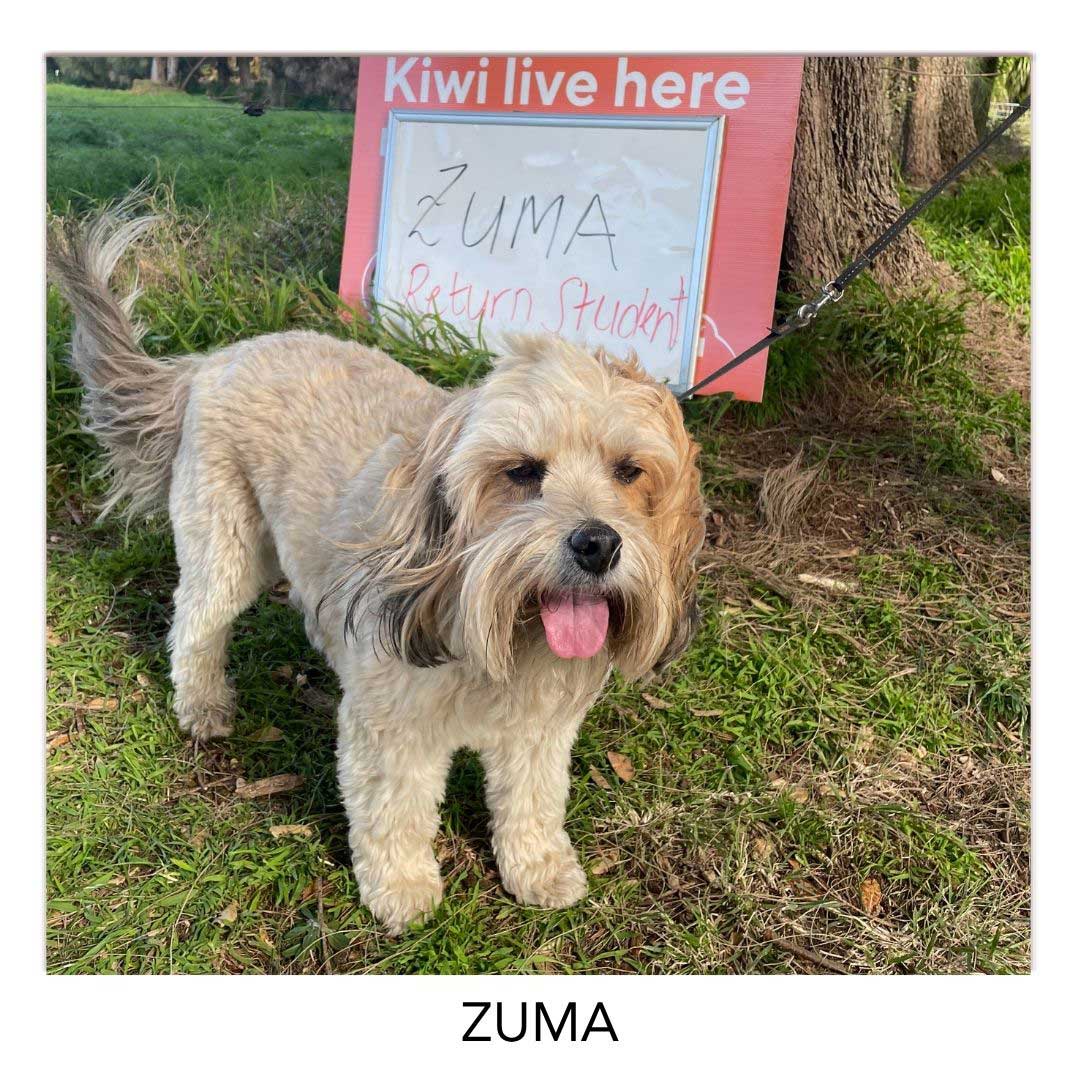
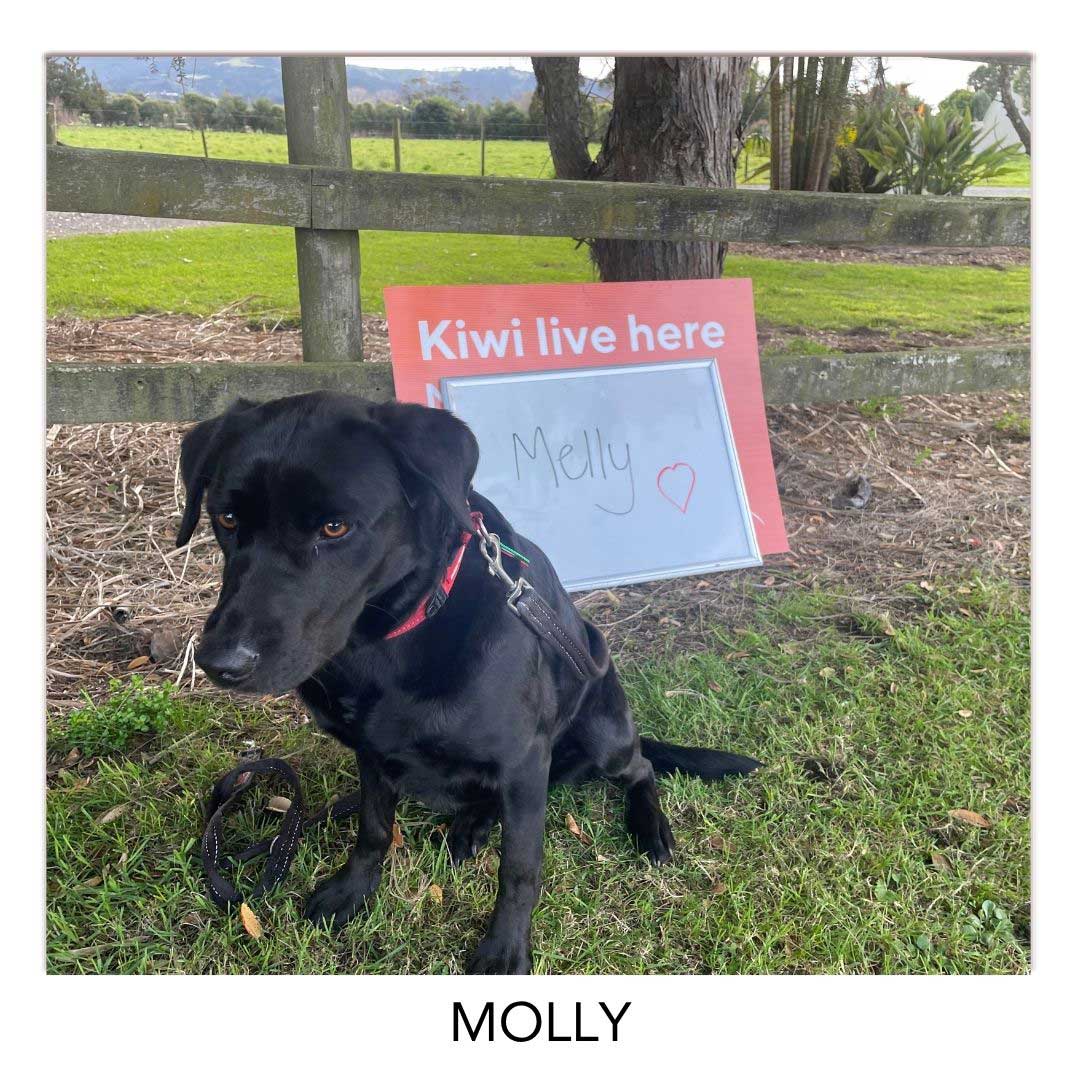
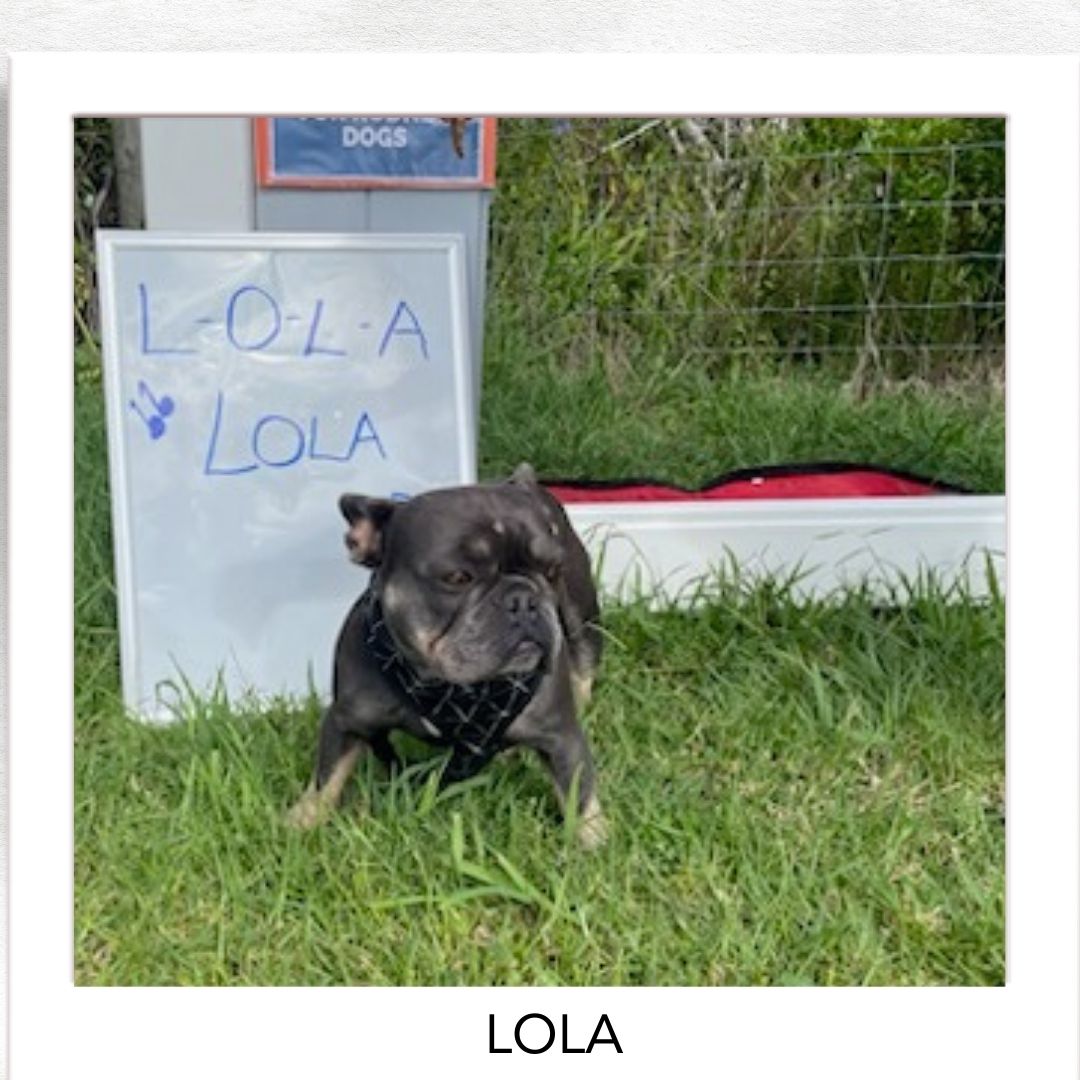
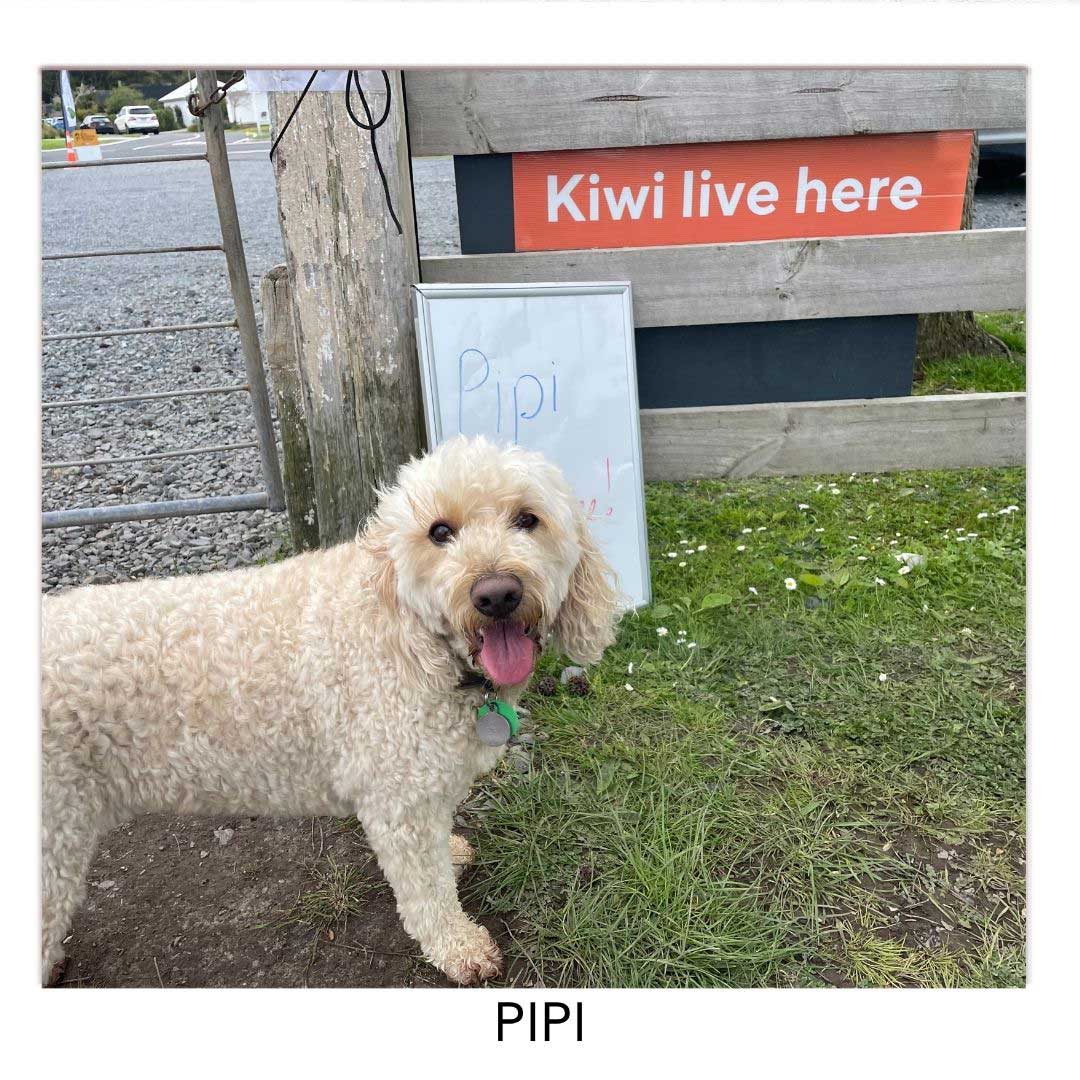
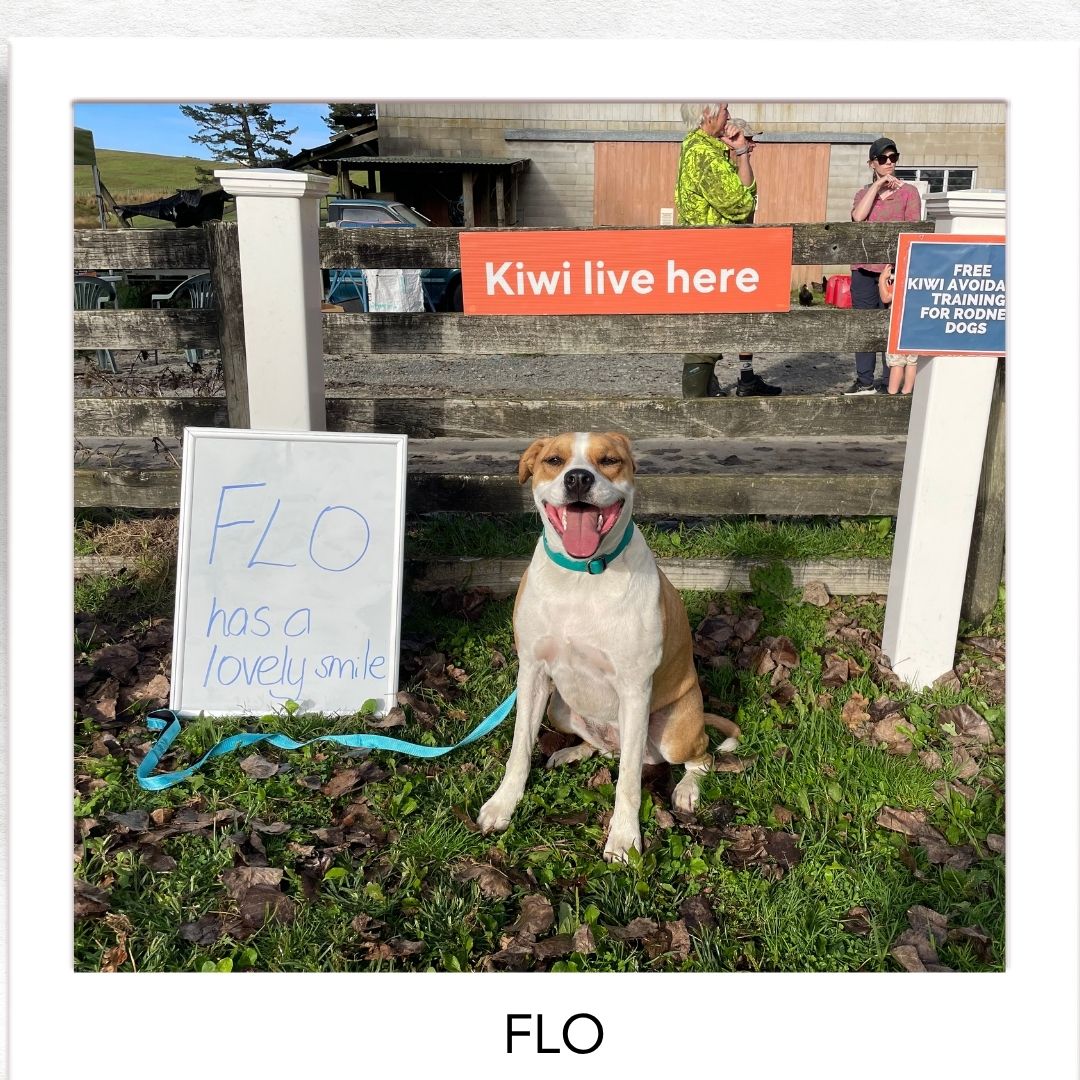
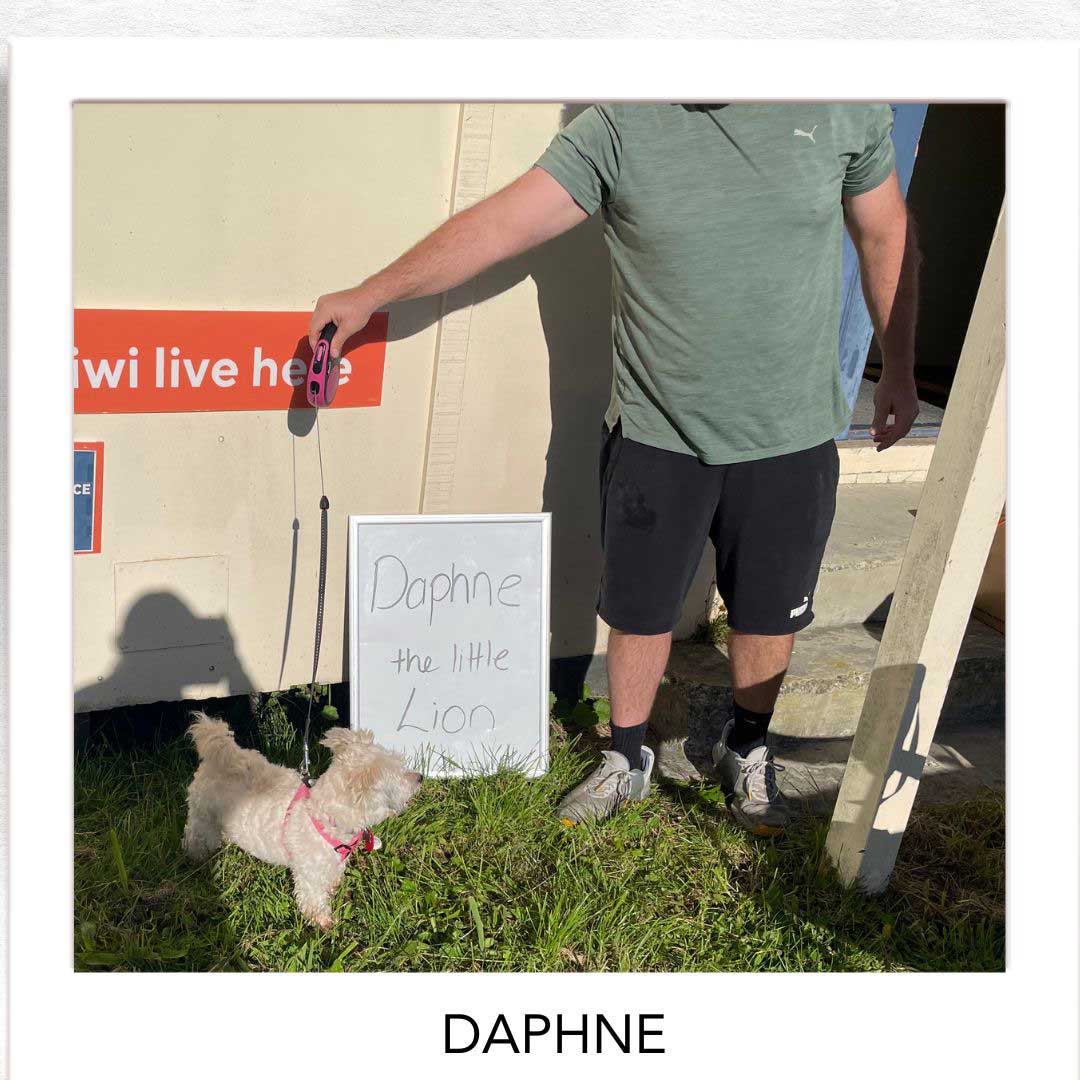
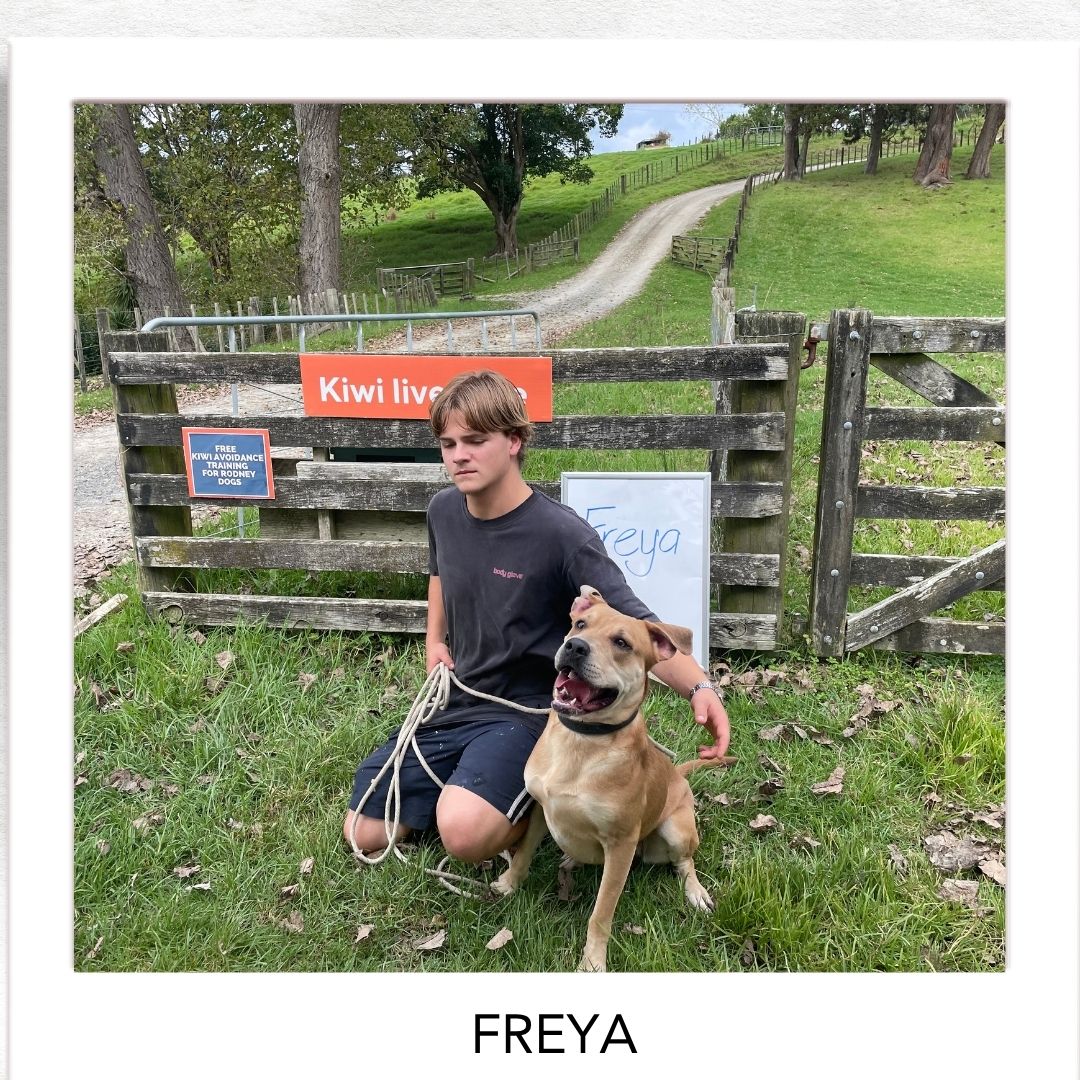
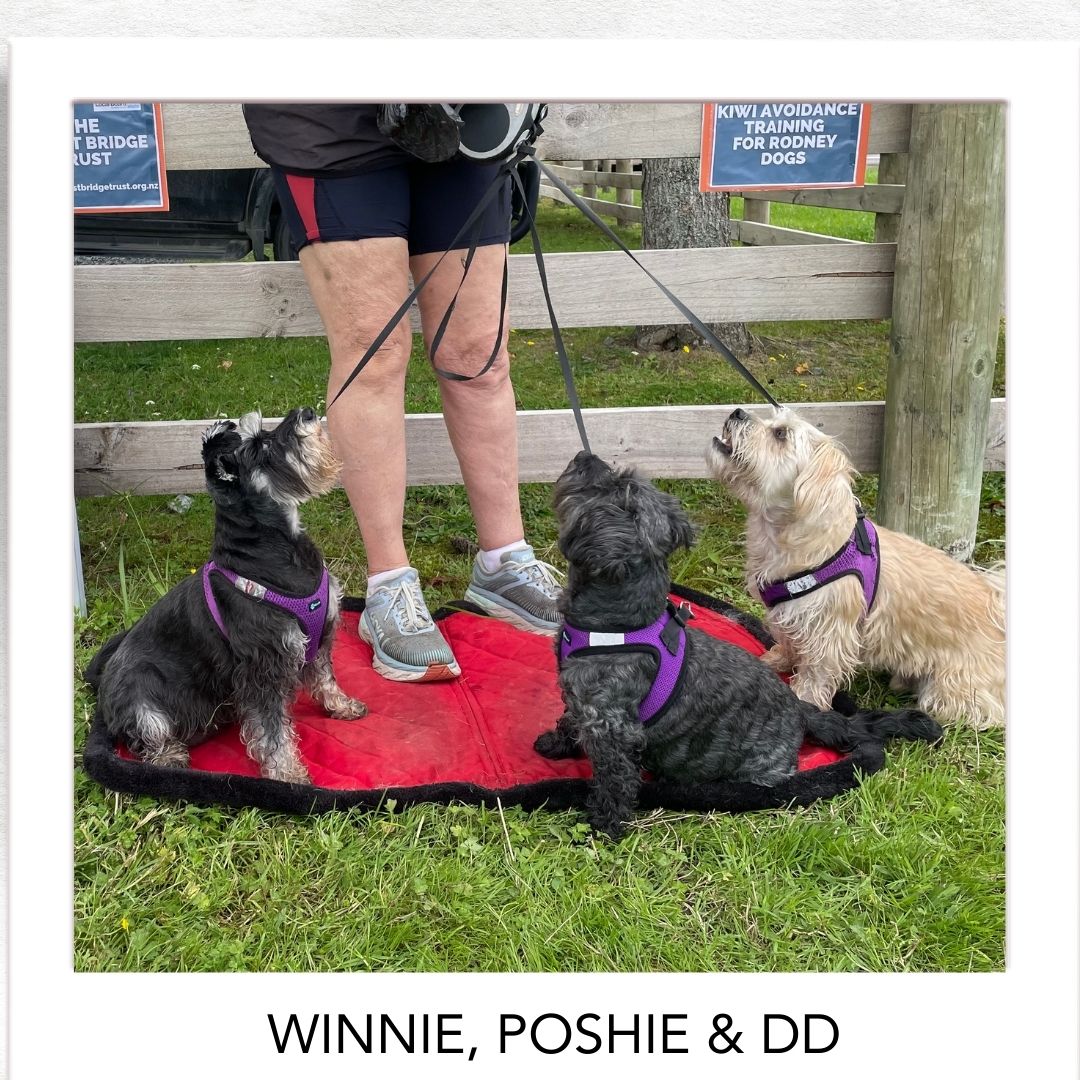
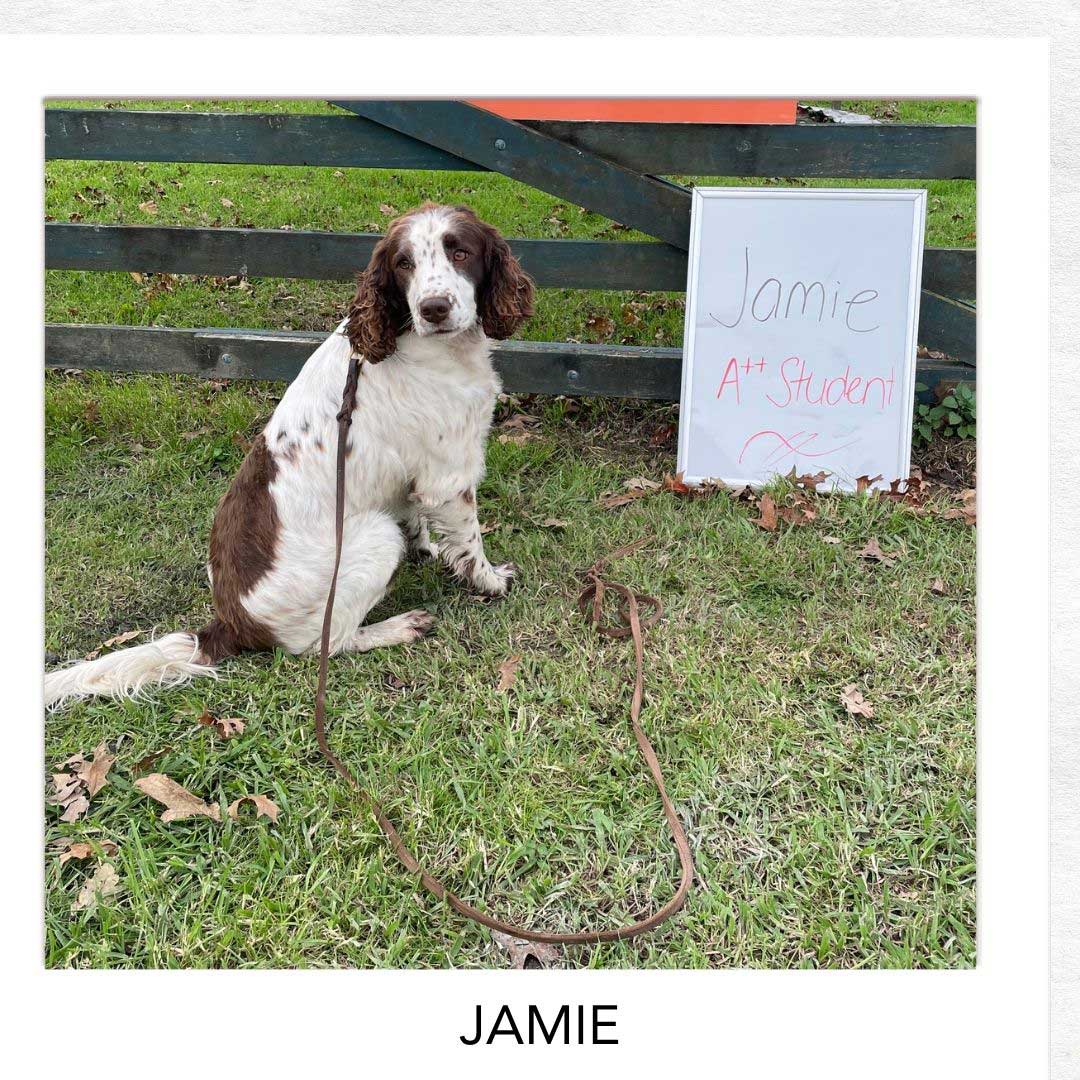
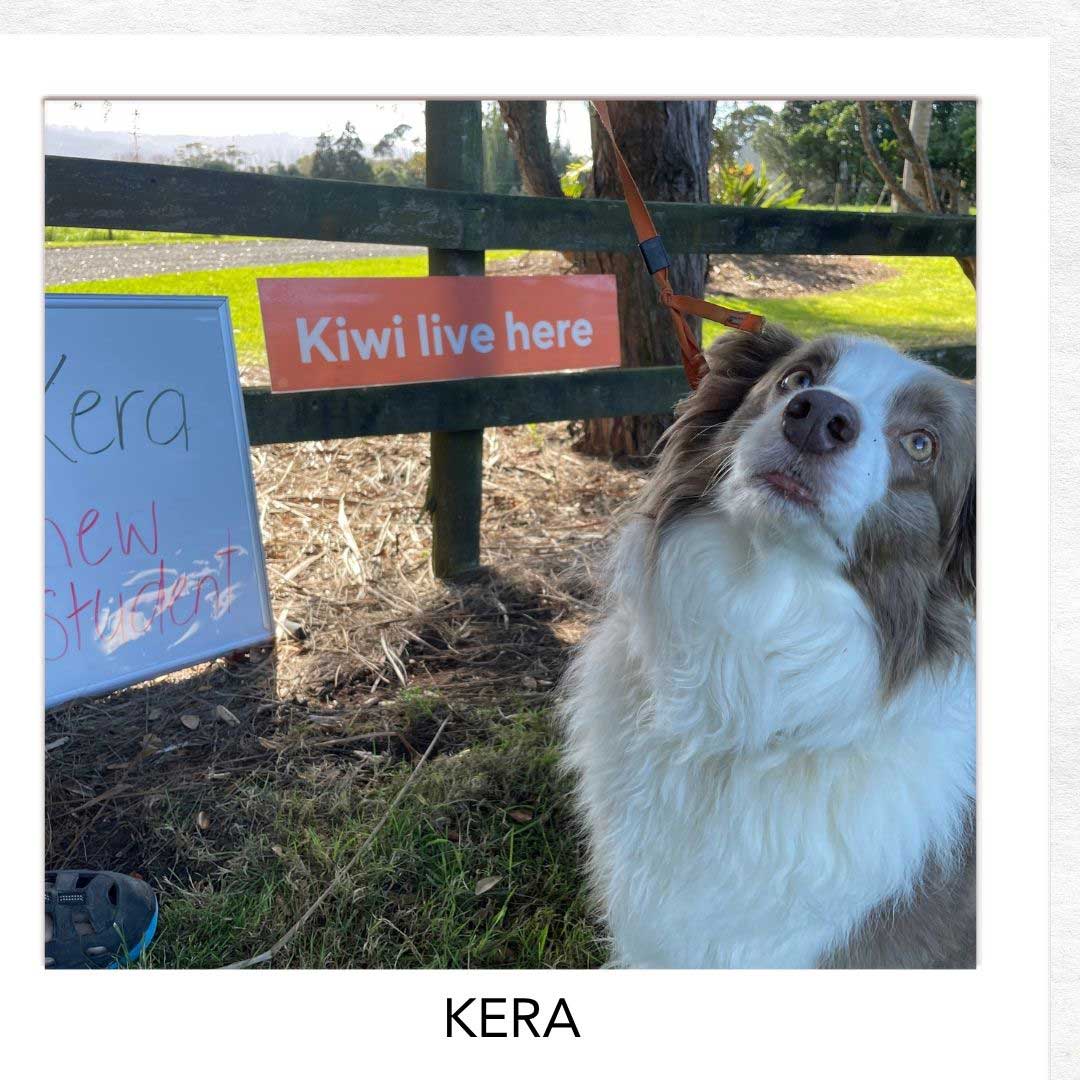
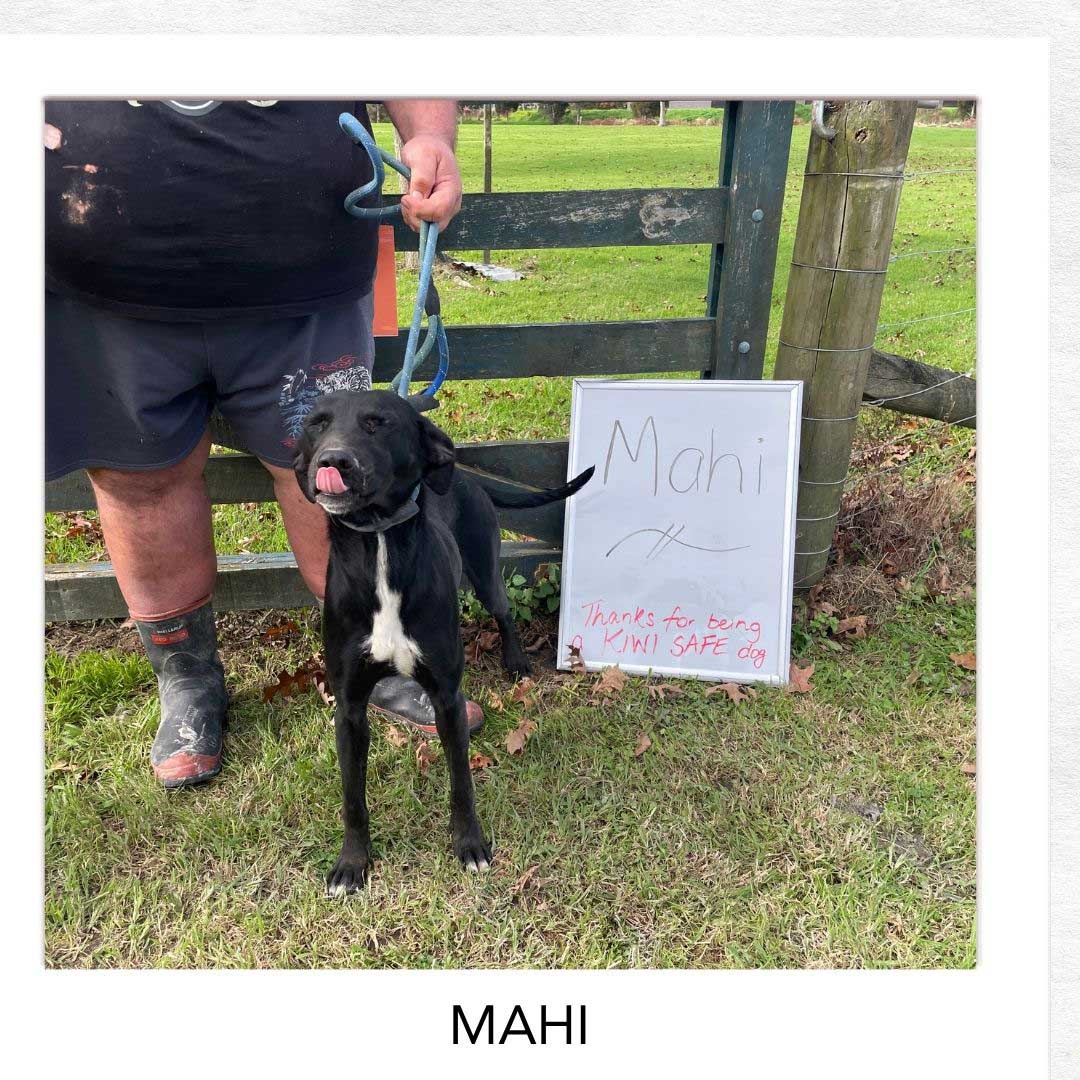
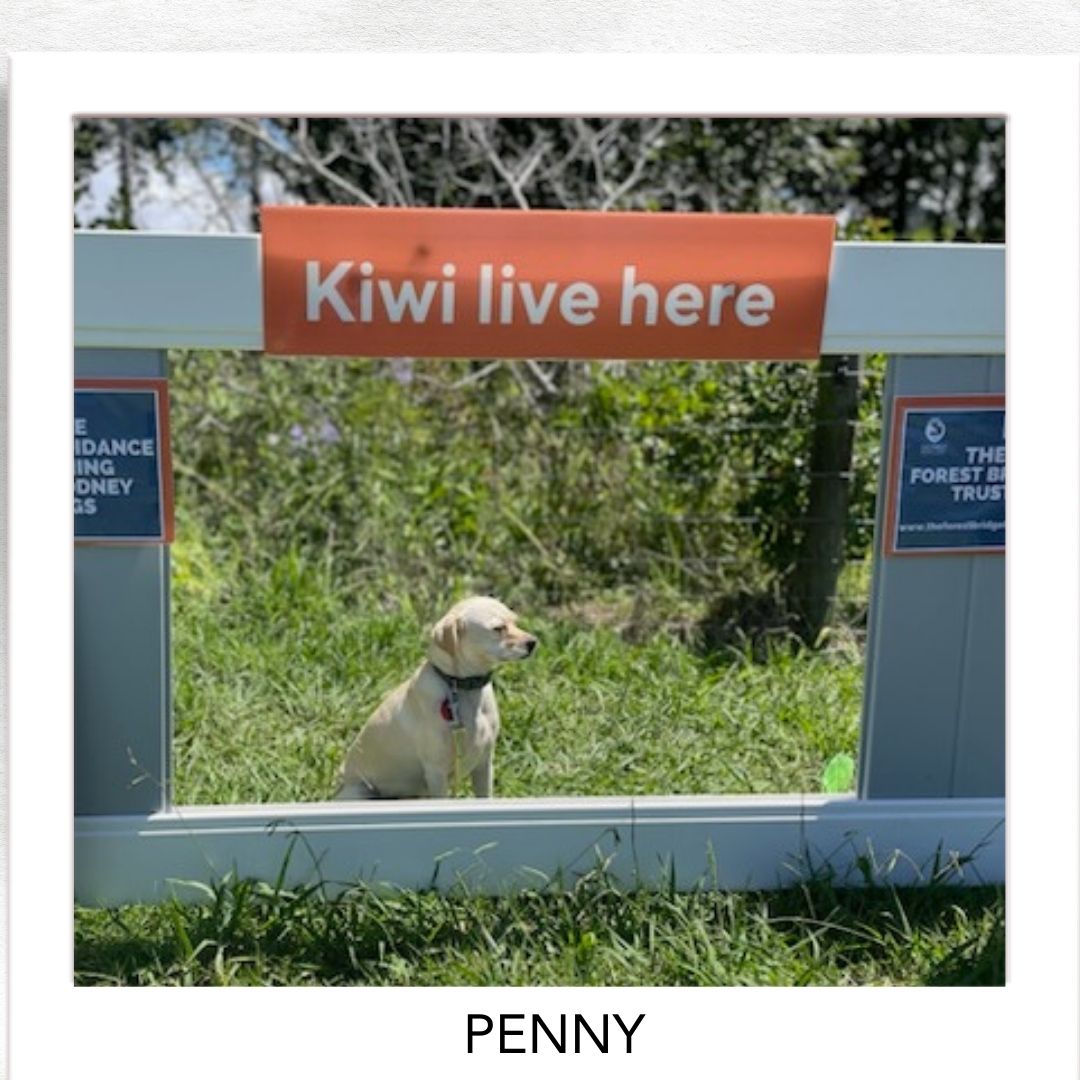
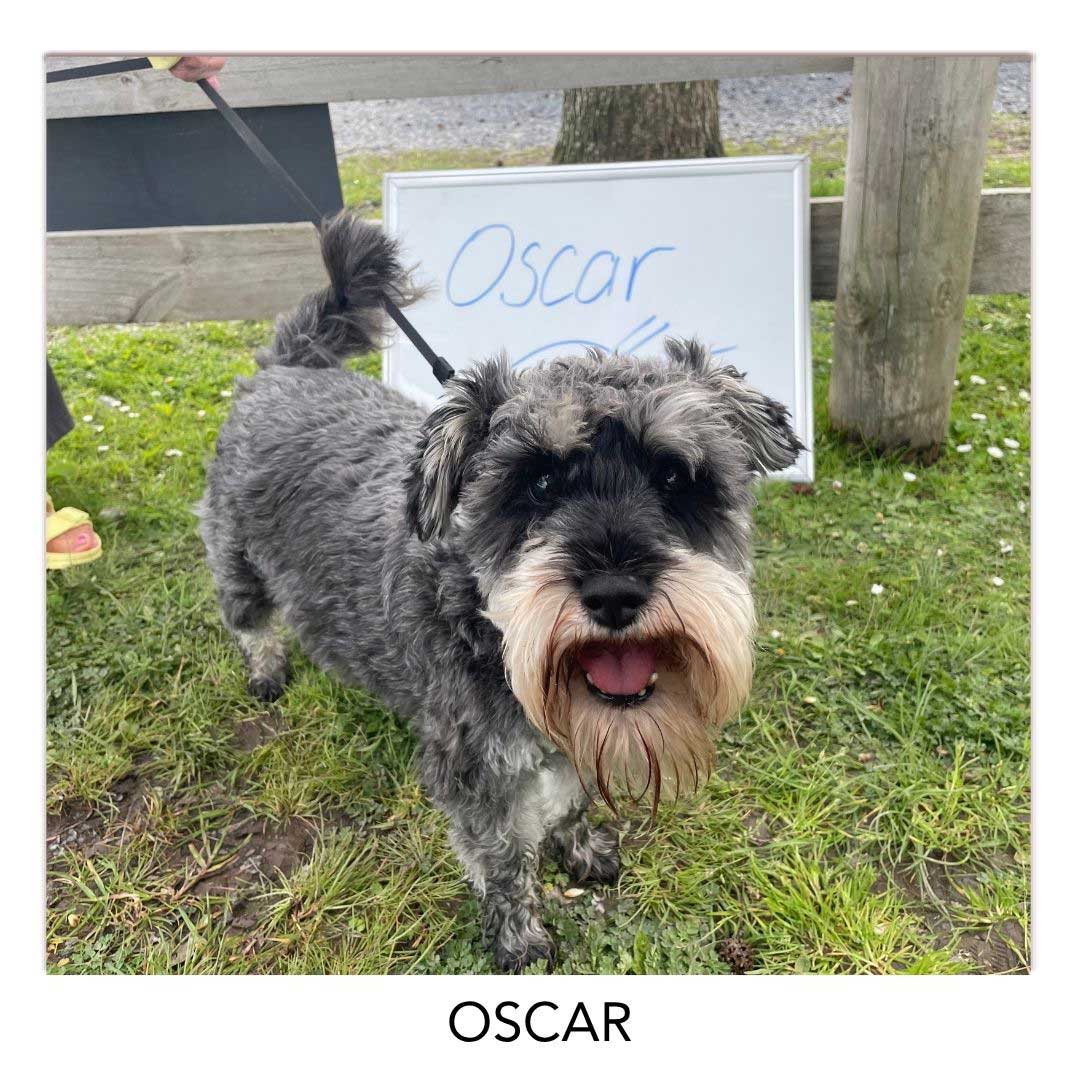
Click to Meet the dogs who have completed Kiwi Avoidance Training and are helping protect our native taonga!
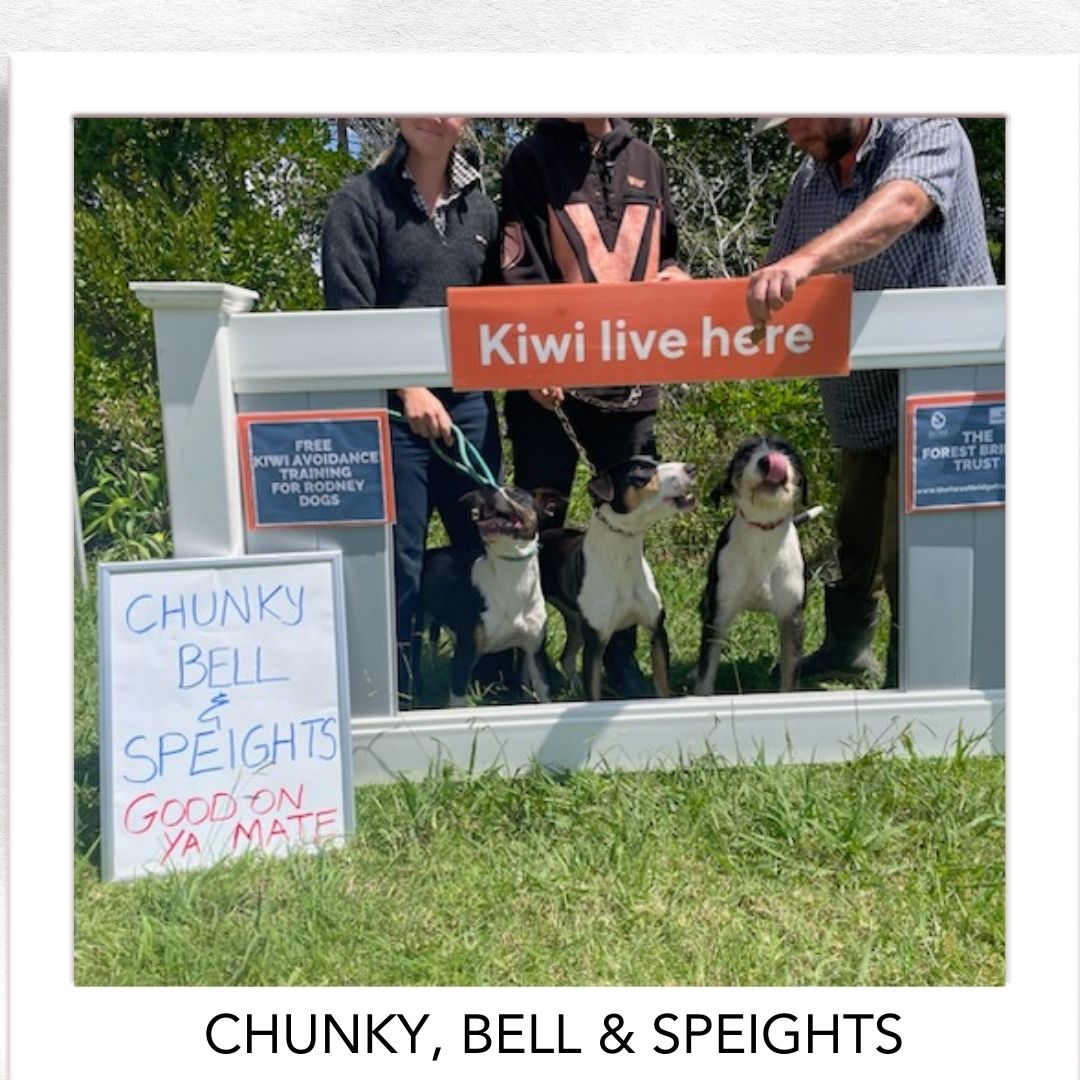
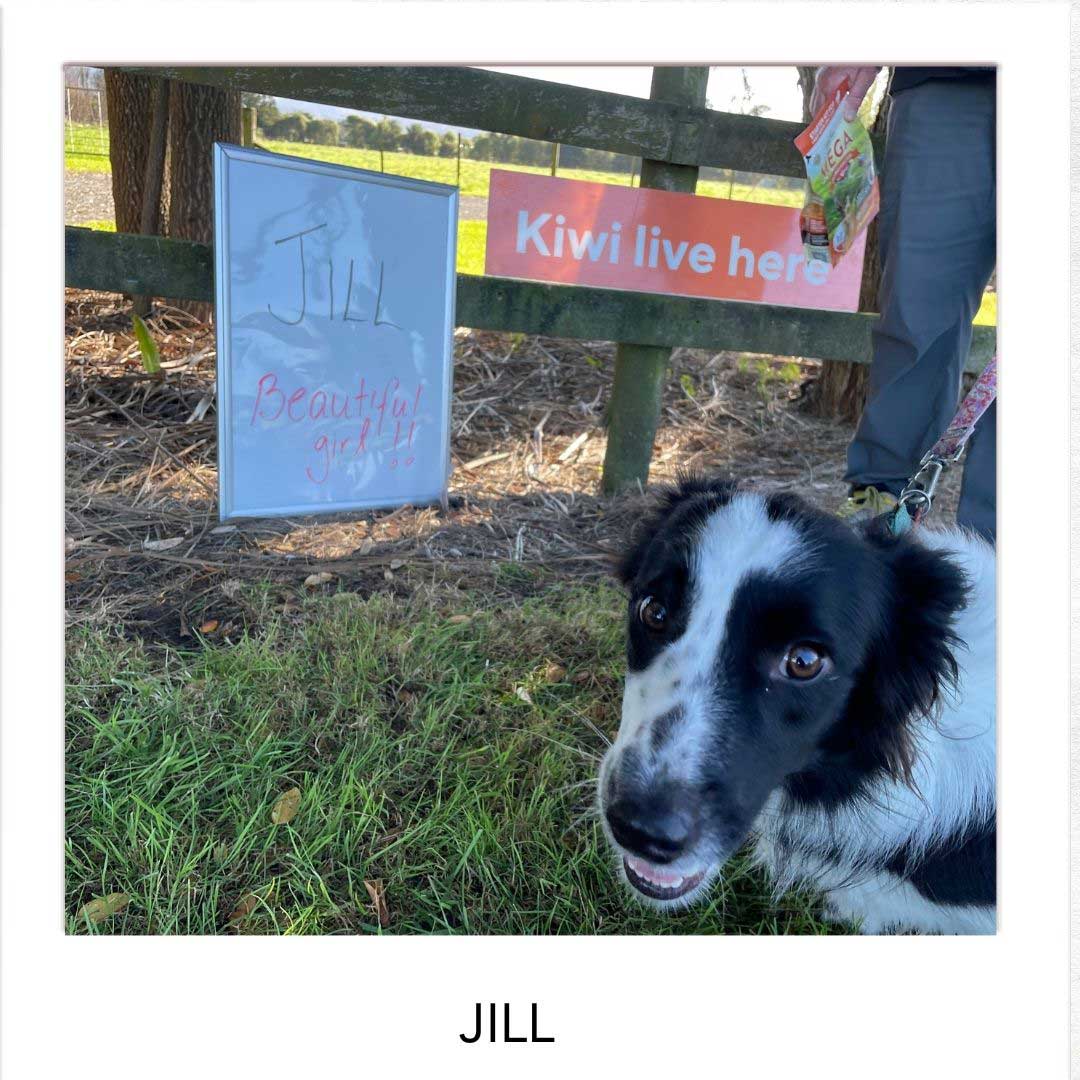
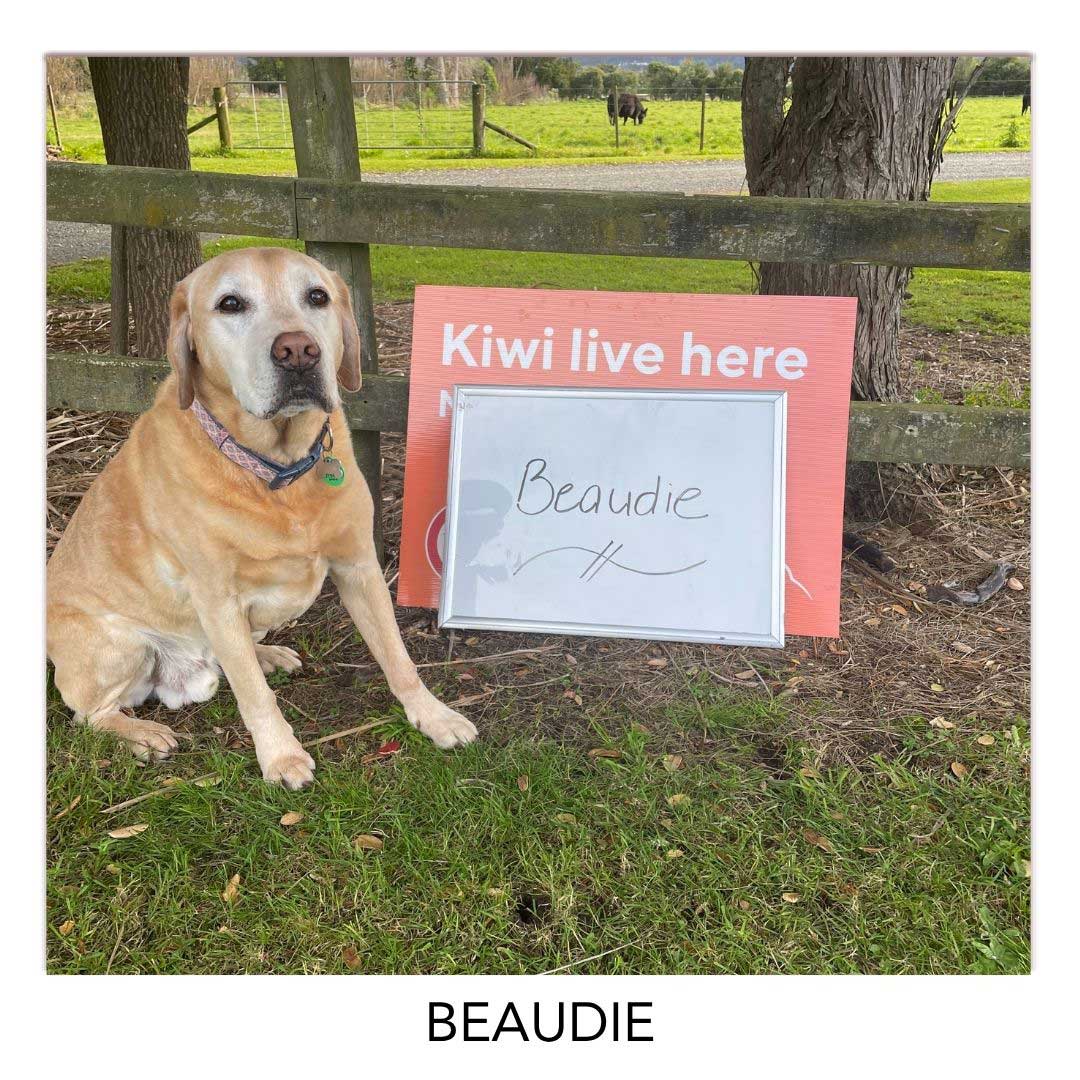
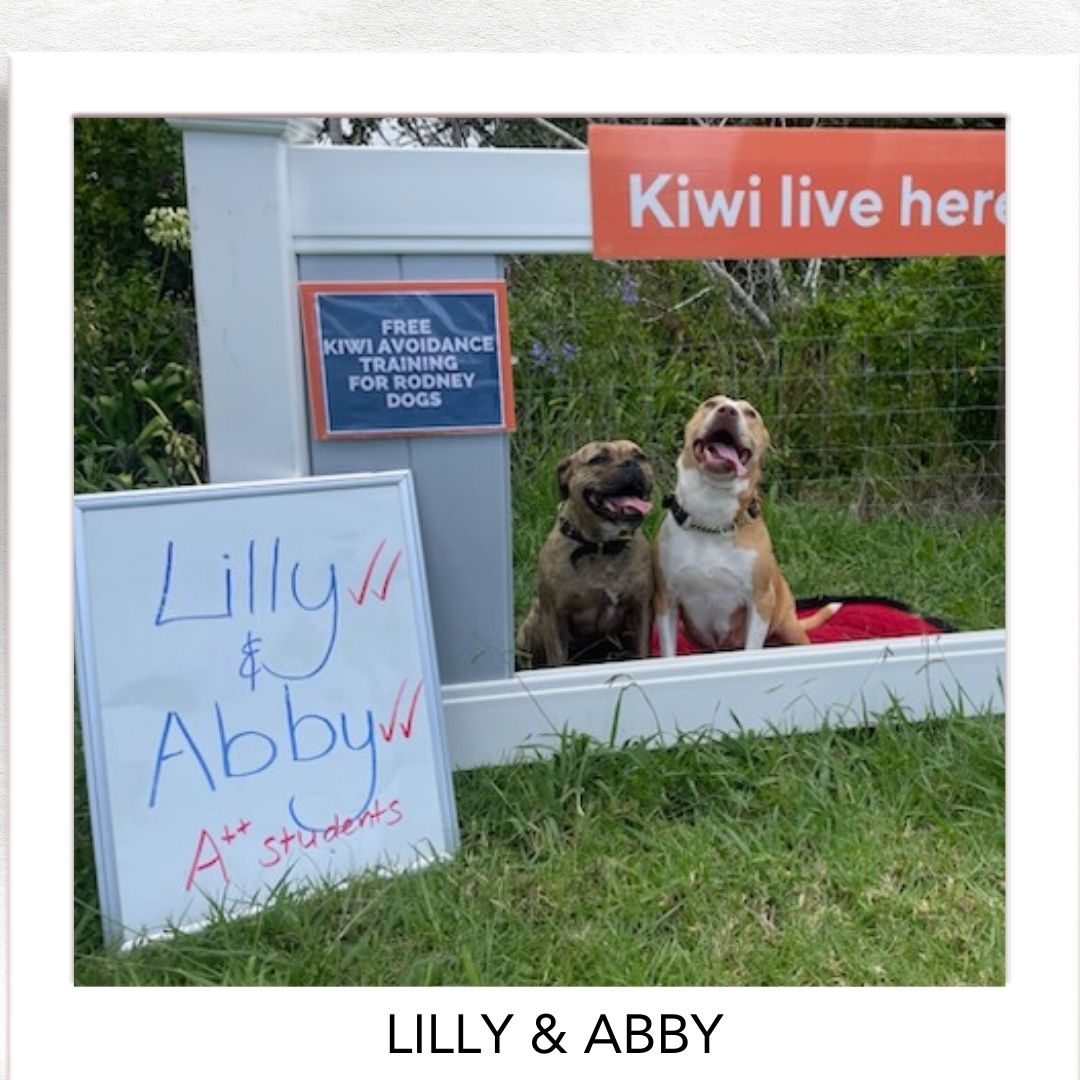
You may also need to know …
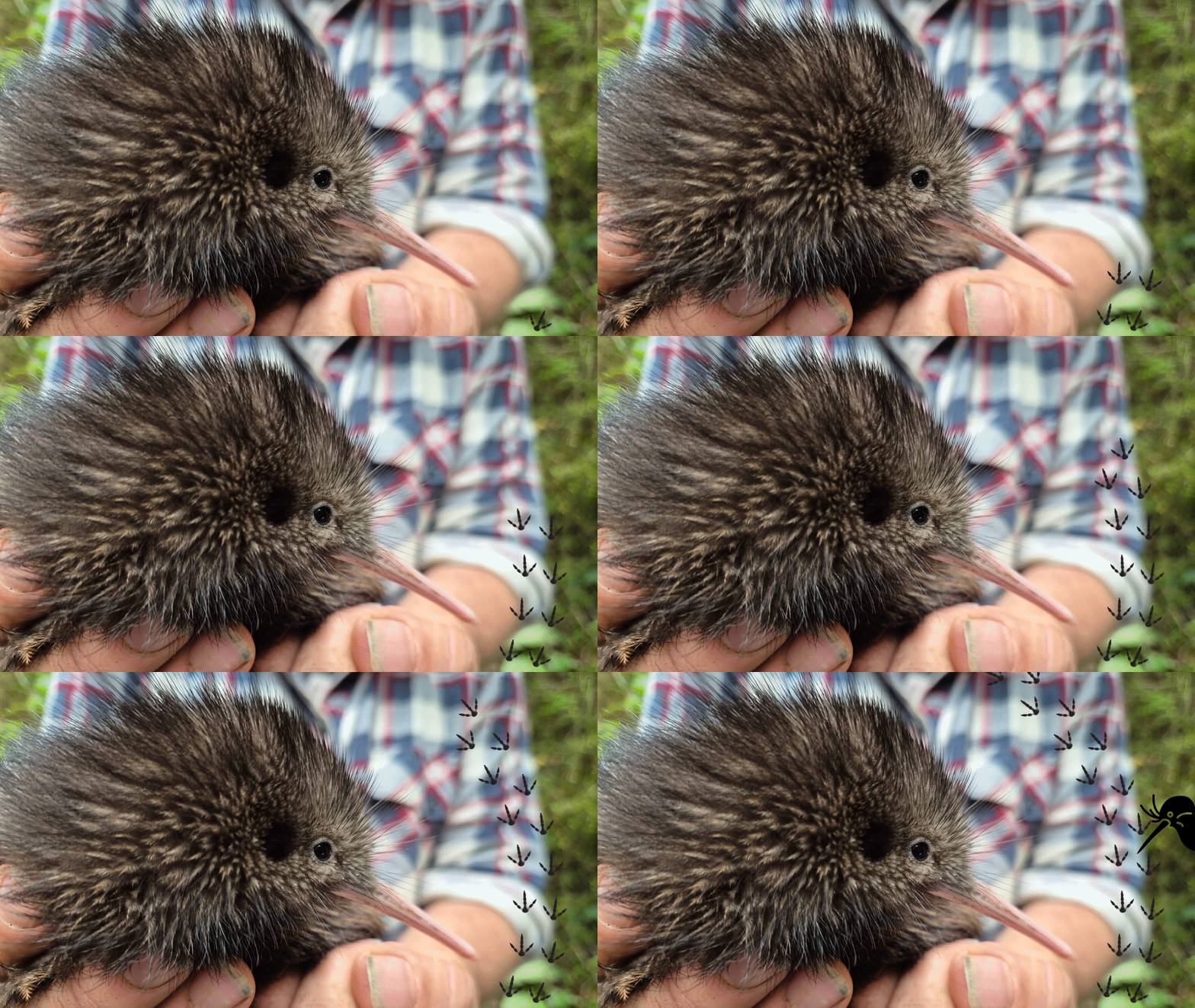
Did you know:
We are extremely fortunate to have kiwi living in our area. Please take the time to review these safety measures so your beloved dog(s) and kiwi can both stay safe.
ANY dog can kill a kiwi. Kiwi lack flight muscles and even the gentle investigation of a well trained dog can be fatal. Dogs should never approach a kiwi.
DOGS find kiwi exciting! Kiwi have an extremely strong smell and will run. North Island Brown Kiwi live on average 50 years, but in Northland their lifespan is only 13 - 15 years, largely due to incidents involving dogs.
Three Do's
- DO please keep your dog(s) on a leash and be aware of prime kiwi habitat such as long kikuyu and pampas grass, gorse and scrub, and pine forests.
- DO keep your pet safely enclosed at night. If your dog(s) needs to go out after dark, accompany them and keep them on a lead, as kiwi are largely nocturnal.
- DO be aware that during long dry summers kiwi extend their feeding hours and may be found around drains and dams (even venturing out during daylight)
And another three
- DO consider Kiwi Avoidance Dog Training if you plan to frequent kiwi habitat areas with your dog.
- DO look at taking a “Know Your Dog” training session.
- DO get in touch with KAT@theforestbridgetrust.org.nz for more information or to sign up for our dog workshops and training sessions.