
The Forest Bridge Trust Supporting Vital Conservation Efforts on South Head
The Forest Bridge Trust (TFBT) may be wrapping up its Jobs for Nature mahi, but there’s no slowing down when it comes to protecting our native wildlife. While continuing to support communities across our region, the team is also expanding efforts to the west, launching a new project on Te Korowai-o-te-Tonga/South Head Peninsula, one of Rodney’s most ecologically important landscapes.
Supported by a two-year DOC Community Fund grant, the project aims to unite South Head’s trapping efforts, suppress pest animals, and build a lasting, community-led protection network.
The area is home to some of Aotearoa’s most threatened native birds. The tara iti/fairy tern, our rarest breeding bird, has fewer than 40 individuals left, and Papakanui Spit at the tip of the peninsula is one of only four known nesting sites. The Matuku-hūrepo/Australasian bittern, a shy wetland bird that booms like a foghorn during the breeding season, is critically endangered. The pāteke/brown teal, once widespread, is now a nationally threatened species, but the dune lakes, estuaries and wetlands of South Head offer real potential for its recovery.
Leading the project is Helen Jamieson, a familiar face to many in the local Rodney community. Helen was previously part of TFBT’s Community Liaison team during the Jobs for Nature phase and recently worked with Island Conservation on predator eradication planning for Kawau Island.
With her passion for conservation and skill for bringing people together, Helen brings energy, experience, and a deep commitment to the project.
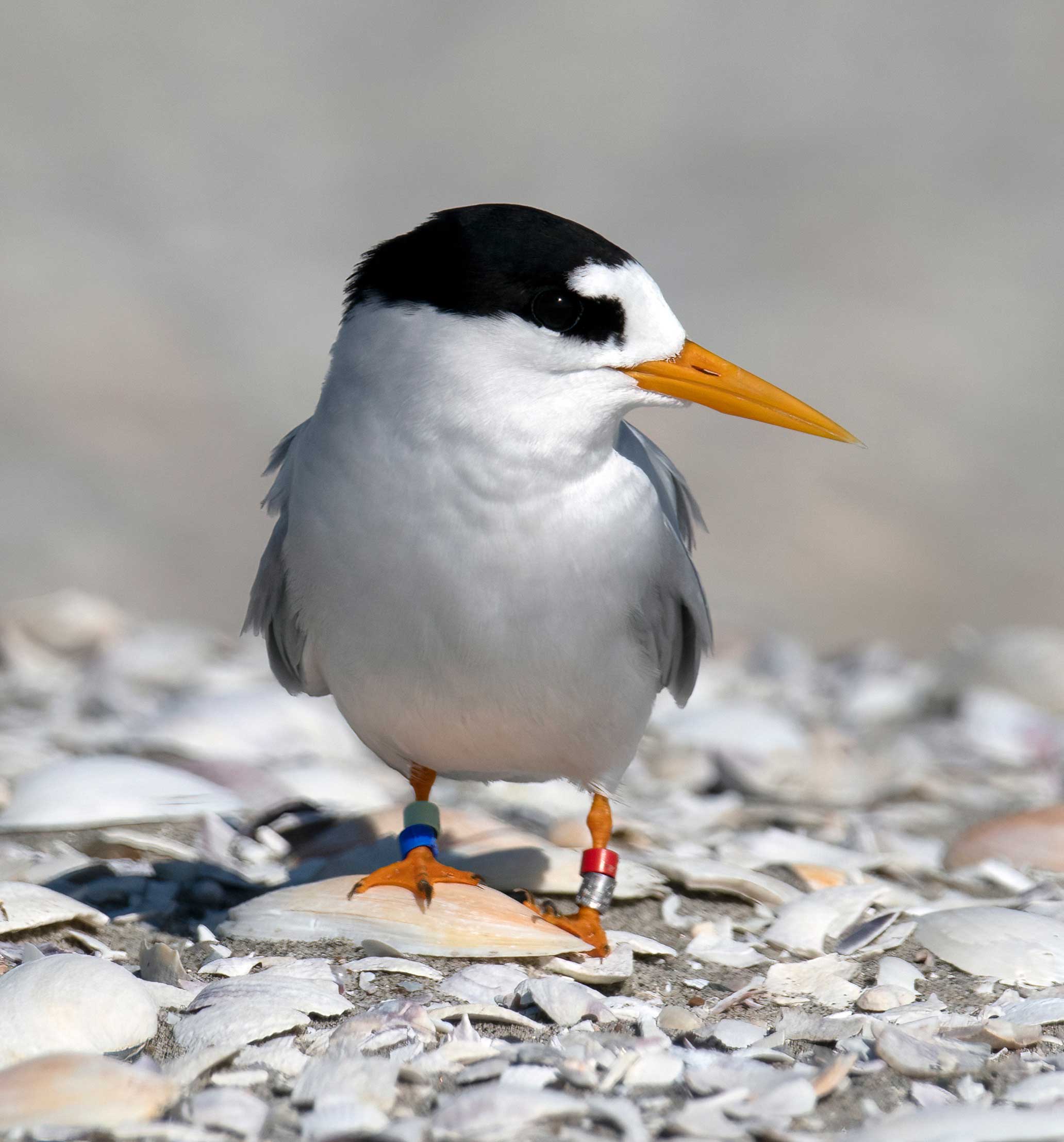 By Darren Markin
“South Head has an incredible conservation legacy,” Helen says. “People have been doing the mahi here for years. My first job is to connect with those landowners, iwi and community groups, understand the existing efforts, and see how we can best support and grow that work.”
TFBT’s approach divides the peninsula into two zones. The northern “tip” zone (around 8,500 hectares) will see intensive predator control to support existing DOC, Ngāhere forestry, and community traplines. The southern “buffer” zone (16,700 hectares) will focus on expanding and strengthening community-led predator control.
TFBT will also bring its expertise in digital mapping and landowner support to help create a well-connected and effective predator control landscape.
Helen has already begun coordinating a network-wide gap analysis, while Cam Rathe from our predator control team will lead the trapping component, including the deployment of remotely monitored traps, mobile trapping arrays, and trail cameras.
The first event on the calendar was a free community workshop all about matuku-hūrepo, held at Waioneke School on Saturday, 17 August. Speakers included Wendy Ambury from Love Bittern and Boyd Steel from Project 700, who shared fascinating insights into this elusive wetland species and what we can all do to help protect it.
“This project reflects our long-term vision,” says the TFBT project team. “It’s about native species thriving across Rodney, with engaged communities and connected habitats.”
The Forest Bridge Trust gratefully acknowledges the Department of Conservation, whose funding is enabling this critical work on South Head to take flight.