
Encouraging Trends from Long-Term Bird Monitoring Project5 Minute Bird Counts (5MBC)
Each year, as part of their commitment to restoring forest health and native biodiversity, The Forest Bridge Trust undertakes 5 Minute Bird Counts (5MBC) across key project areas. These surveys are part of a long-term effort led by our senior ecologist, Dr. Virginia Moreno, and are designed to track changes in native forest bird abundance over time.
While it usually takes around seven to ten years of data to identify meaningful trends, we’re excited to share that after just five years, some promising patterns are already beginning to emerge.
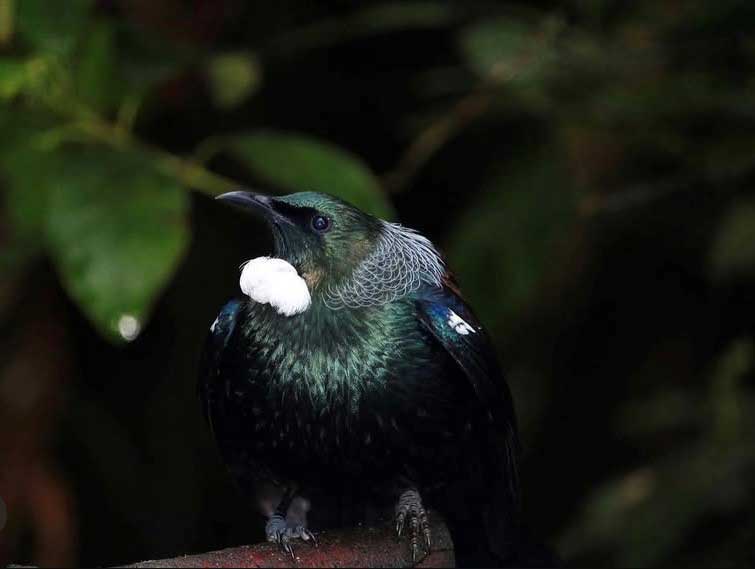
Tūī on the Rise
One of the most uplifting results is the rise in tūī numbers. They are doing well across all three monitored areas. These charismatic nectar-feeders are a great indicator of native forest health, and their growing presence suggests that our combined conservation efforts—whether through predator control, habitat restoration, or community action—are paying off.
Tāwharanui Buffer Zone Leading the Way
The standout performer over the past five years of monitoring has been the Tāwharanui buffer zone, private land adjacent to Tāwharanui Open Sanctuary, where native bird abundance shows the most substantial positive trends.
Much of this success is attributed to:
- Intensive predator control, including targeted rat suppression.
- Location — situated on a peninsula and right next to a fenced sanctuary, this area benefits from natural and man-made boundaries that reduce predator reinvasion.
- Spill-over effect – the high biodiversity and abundance of birds in the sanctuary means more dispersing individuals to colonise the adjacent buffer zone.
This combination of geography and effort is giving forest birds a real boost, offering a glimpse of what’s possible when communities and ecosystems are given the right support.
We’re also seeing significant positive trends at our Tamahunga monitoring area. Alongside the increase in tūī numbers, there’s been a rise in miromir/tomtit — a small, territorial bird that’s widespread across New Zealand, but not very common in our region.
The Tamahunga summit walk offers a great opportunity to spot and listen for these beautiful, friendly birds.
The Forest Bridge Trust’s approach to ecological restoration is built around connecting people and the land. By investing in long-term monitoring like the 5MBC, we’re not just reacting to today’s challenges—we’re building a deep understanding of how our forests and their inhabitants respond over time.
These early positive signals especially the thriving tūī and success at the Tāwharanui buffer zone are a testament to what’s possible when we work together over a longer time frame. Nature rewards patience, and these trends are just the beginning.
Get Involved: Join the Backyard Bird Count this June!
Want to contribute to the understanding of New Zealand’s birdlife from your backyard? Take part in the National Garden Bird Survey this June! It’s easy, fun, and a powerful way to help scientists track how our native birds are doing across urban and rural landscapes. Find details on their website.
Plant Native: Help Birds Thrive in Your Garden
One of the best ways to support native bird populations at home is by planting trees and shrubs that offer food and shelter. Here are some top native species to consider:
- Kōwhai: Vibrant yellow flowers that attract tūī, bellbirds, and kererū.
- Tī Kōuka (Cabbage Tree): Offers both food and shelter for birds like bellbirds and tūī.
- Pūriri: Produces fruit, seeds, and nectar year-round, especially important in winter.
- Tītoki: A versatile tree providing fruit and shelter for many species.
- Tree Fuchsia: Nectar-rich flowers and fruit that attract tūī, bellbirds, and silvereyes.
By Nikki Morgan