
Resources
Ecology
Discover and Identify Aotearoa’s Native Species
Welcome to the Forest Bridge Trust’s Native Species Identification Hub — your go-to ecology resource for exploring and identifying the incredible biodiversity of Aotearoa New Zealand. Whether you’re a keen conservationist, a backyard trapper, a curious student, or simply love the outdoors, this guide will help you recognise native birds, plants, insects, and other taonga species found across our ngahere (forests), awa (rivers), and wetlands.
Our goal is to connect people with the land by deepening understanding of native ecosystems and empowering communities to protect what makes our region so special. With easy-to-use ID guides, habitat insights, and conservation tips, this page supports local kaitiaki and environmental stewards across the Kaipara-Mahurangi corridor and beyond.
Start exploring below — and help us protect the unique species that call this landscape home.
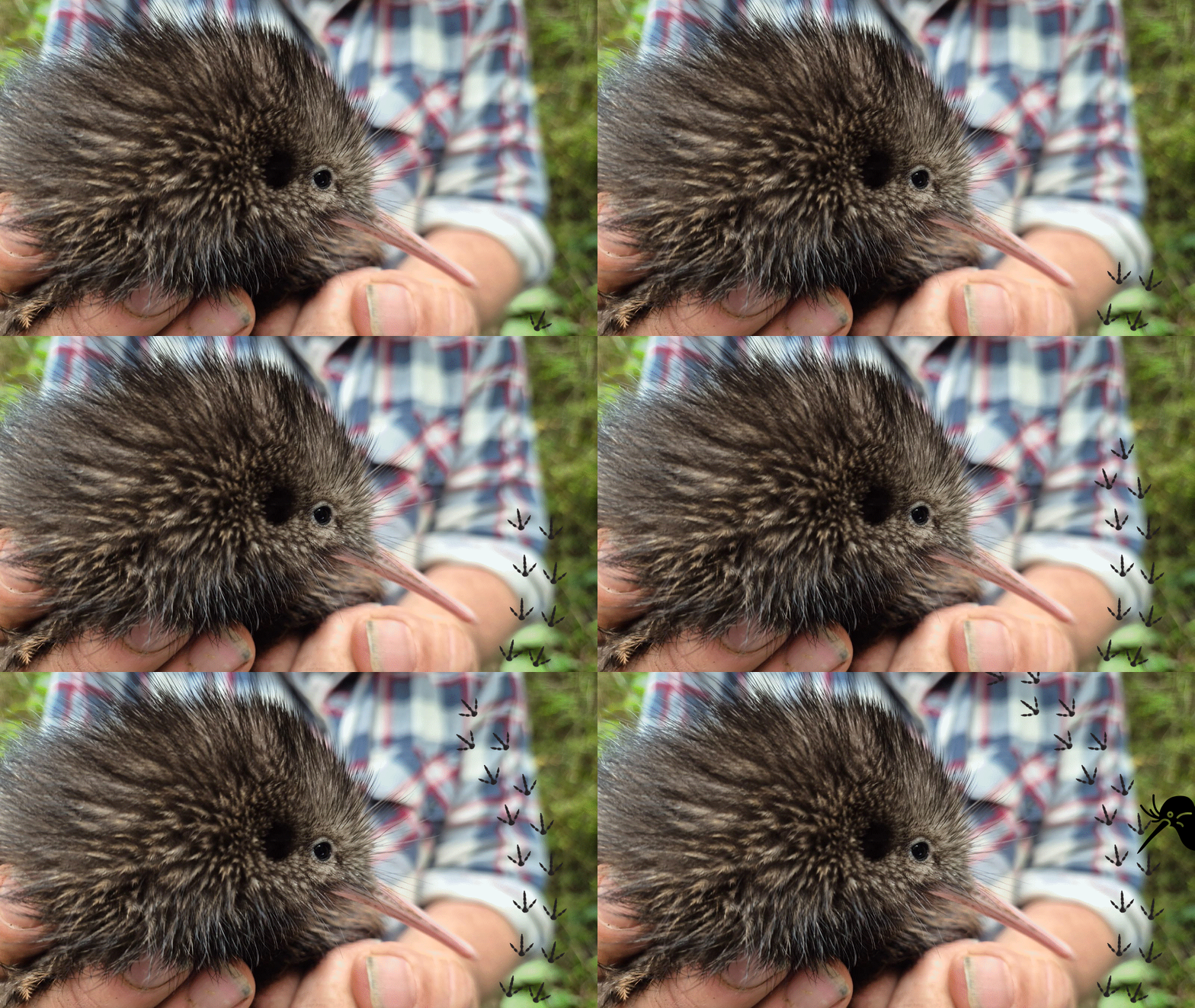
Discover the Journey of Kiwi Conservation Across the Forest Bridge
Step into the story of Kiwi-nui / North Island brown kiwi (Apteryx mantelli) and their fight for survival. Once thriving, these remarkable birds face challenges that have brought them to the brink of local extinction in the northern Auckland Region (Rodney District, New Zealand).
[click to learn more →]
How to Identify Kiwi Signs (PDF)
Spotting Kiwi on Your Property - A Guide to Identification! With kiwi populations on the rise across the Forest Bridge area, there’s a chance you might see signs of kiwi on your property. To help, we’ve put together a kiwi ID guide to identify signs of a kiwi’s presence.
[click to learn more →]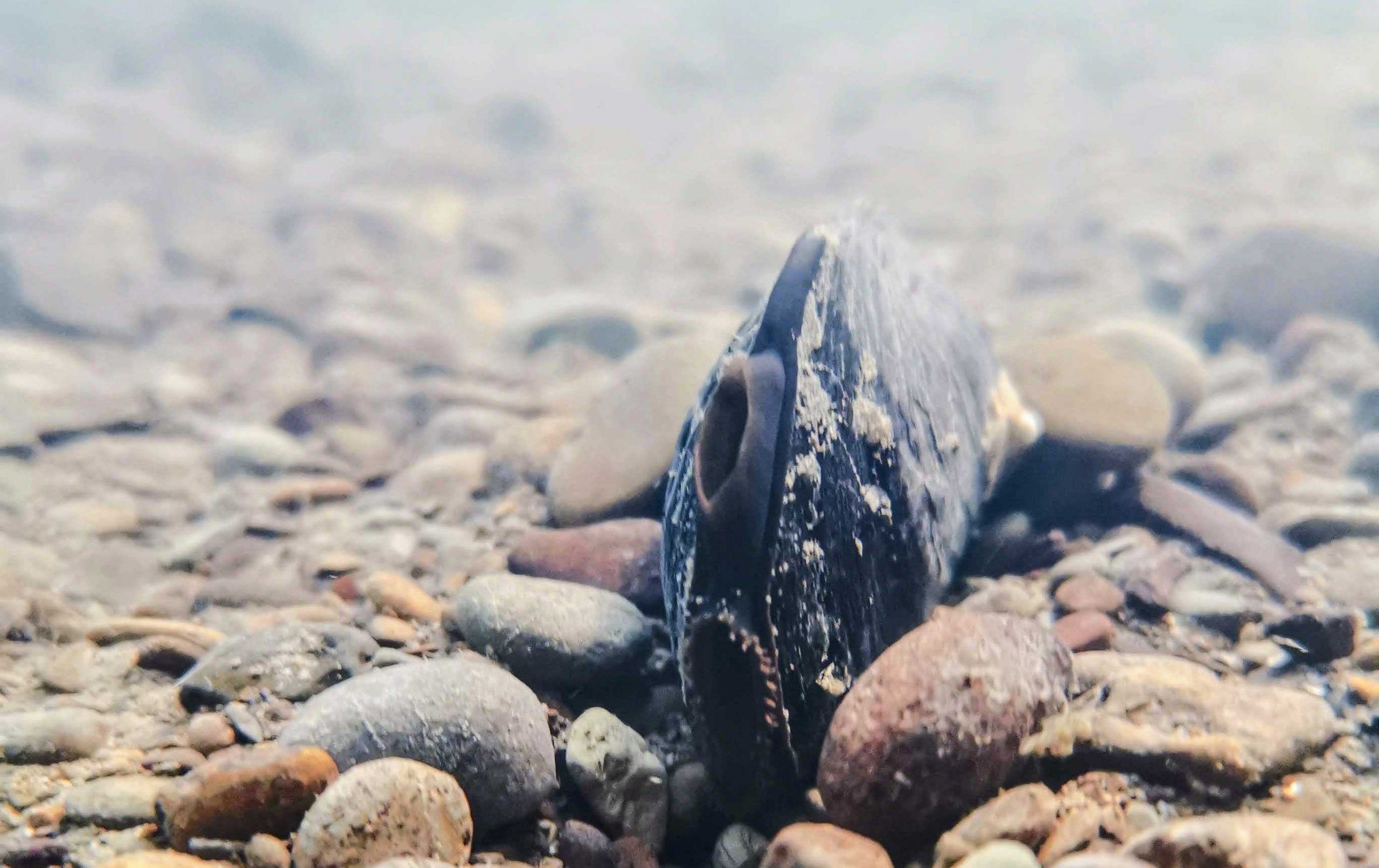
What’s in Our Fresh Waters: Kākahi – Aotearoa’s Native Freshwater Mussels
Kākahi (Echyridella spp.) are Aotearoa New Zealand’s native freshwater mussels, quietly living in rivers, streams, and lakes. These important filter-feeders help improve water quality and support freshwater biodiversity - yet many people don’t even know they exist. Native mussel populations are now in decline due to pollution, sedimentation, and habitat loss. Learning about kākahi is a step toward protecting the health of our freshwater ecosystems.
Discover what makes kākahi special and why they’re vital to our rivers -
[click to learn more →]
What’s in Our Wetlands: Matuku-hūrepo – The Elusive Wetland Bird of Aotearoa
Matuku-hūrepo (Australasian Bittern) is a rare and cryptic wetland bird native to Aotearoa New Zealand. Known for its booming call and expert camouflage, this taonga species is seldom seen — but plays an important role in the health of our wetland ecosystems.
Once common across freshwater wetlands, matuku-hūrepo are endangered , and classified as nationally critical, meaning it is facing a high risk of extinction, with their numbers declining due to wetland drainage, habitat loss, and predators. Protecting these secretive birds is vital for the future of our native biodiversity and the mauri (life force) of our wetlands.
Learn more about matuku -hūrepo, their habits, and how we can help bring them back -
[click to learn more →]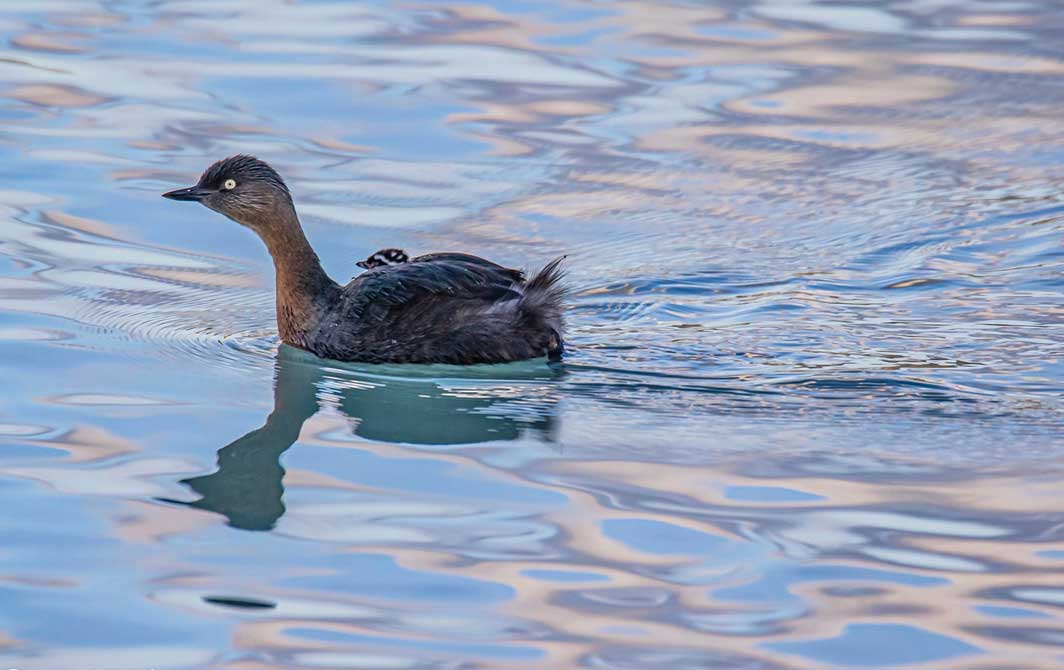
What’s in Our Ponds: Weweia – Aotearoa’s Dabchick
Weweia (New Zealand dabchick – Poliocephalus rufopectus) is a small, diving waterbird found only in Aotearoa. With its distinctive fluffy rear, sharp beak, and shy nature, the weweia is specially adapted for life in still or slow-moving freshwater habitats like ponds, lakes, and wetlands.
These expert divers feed on aquatic insects and small fish, playing an important role in the balance of freshwater ecosystems. Once widespread, weweia are now classified as At Risk – Declining, due to habitat degradation, disturbance, and introduced predators.
Discover more about this unique native bird, where it lives, and how we can help protect it -
[click to learn more →]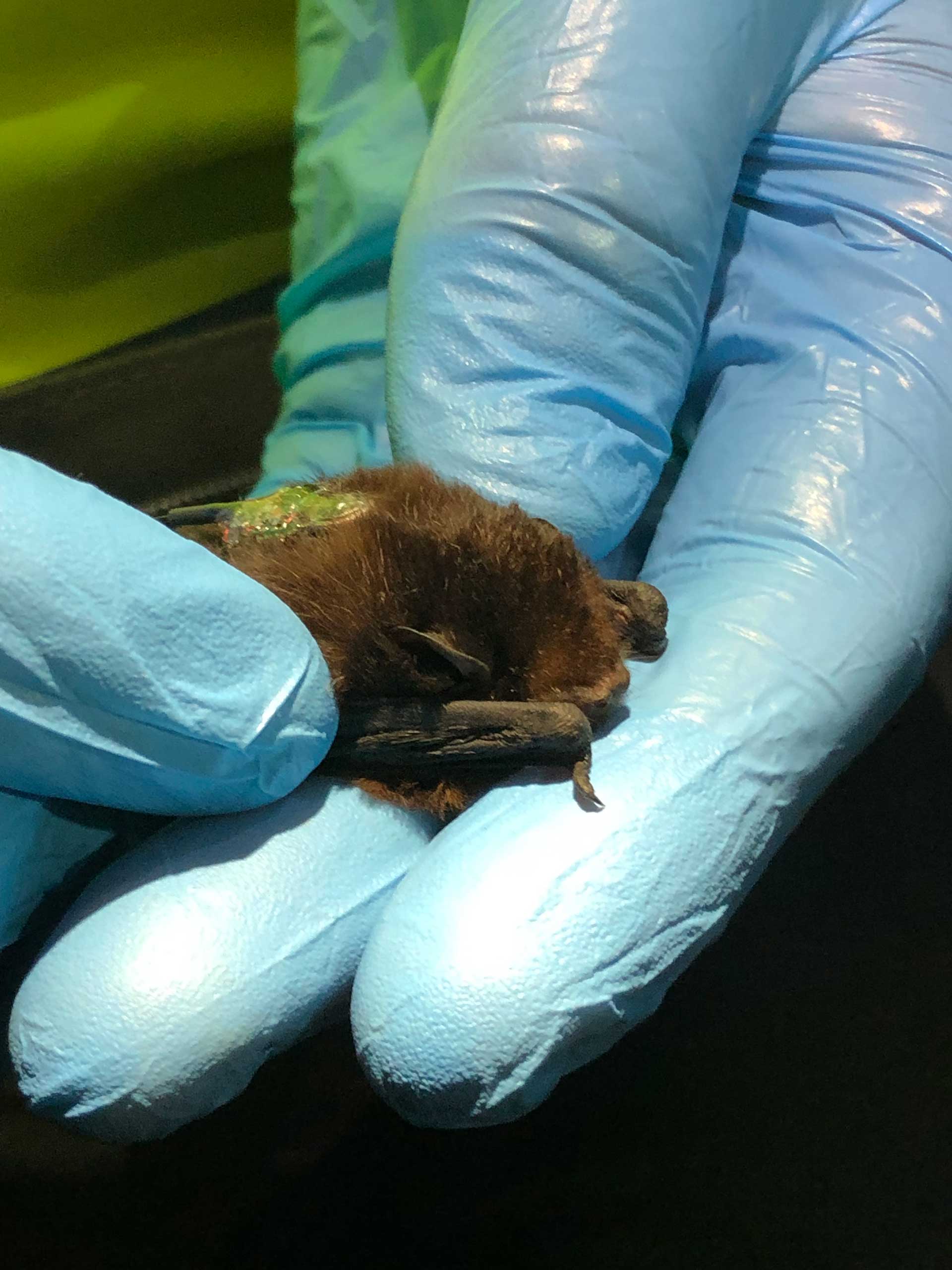
Pekapeka – Aotearoa’s Native Bats
Pekapeka are New Zealand’s only native land mammals - tiny, nocturnal bats that play an important role in our ecosystems by eating insects, pollinating plants, and dispersing seeds. The long-tailed bat (pekapeka-tou-roa) is found across Aotearoa and is classified as Threatened – Nationally Critical, meaning it faces an immediate risk of extinction without active conservation. (Photo Credit Ben Paris)
Learn more about The Rodney Pekapeka Project and how we’re working to protect and restore habitat for these remarkable taonga in Te Tōangaroa (Rodney):
[click to learn more →]